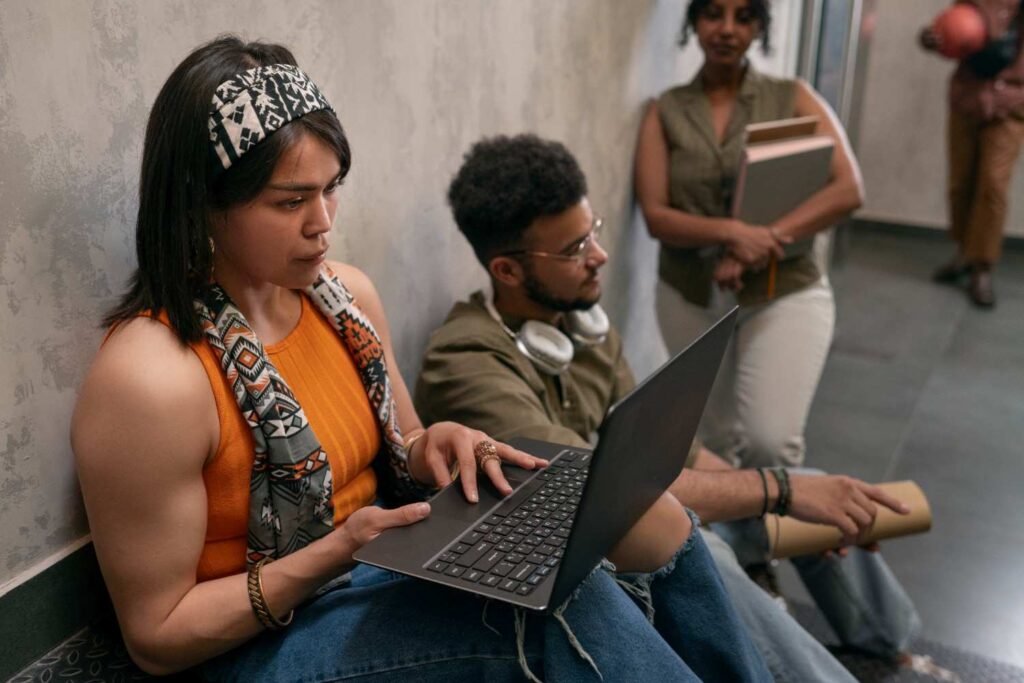
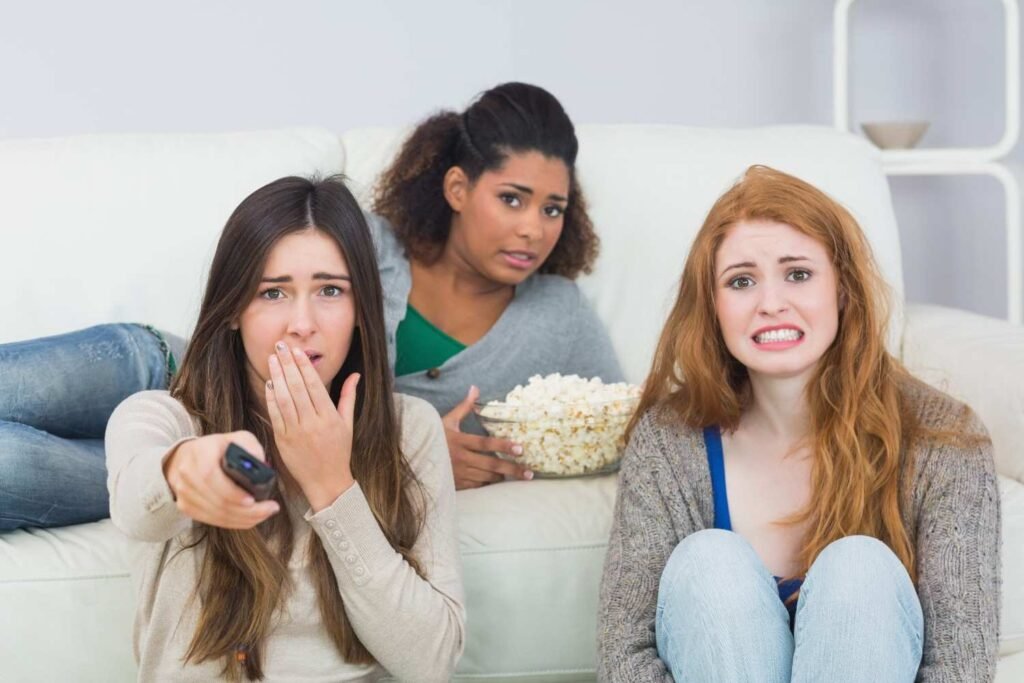
Turn on almost any American movie or TV series, and you will see extraordinary diversity in personalities, careers, and fictional worlds. Look more closely at the bodies occupying those worlds, however, and the variety quickly narrows. Body diversity in movies and television remains limited by a Hollywood beauty standard that favors thin women, muscular men, youthful features, and conventionally attractive leads.
The body-positivity movement has encouraged studios to broaden their casting, but visibility alone does not guarantee meaningful inclusion. Larger actors still frequently play sidekicks, jokes, villains, or characters desperate to transform themselves. True progress begins when people of every size can lead stories without their appearance becoming the central conflict.
What Does Body Diversity on Screen Actually Mean?
Body diversity involves representing the natural range of human sizes, shapes, heights, ages, abilities, scars, facial differences, and physical builds. It includes fat, thin, short, tall, muscular, non-muscular, disabled, and aging bodies.
It also requires Hollywood to recognize intersectionality. A plus-size Black woman may encounter different stereotypes from a larger white man, making Black representation in movies and television an important part of the broader body-diversity conversation. Disabled people, older women, LGBTQ+ characters, and people of color can face several overlapping forms of exclusion.
Body positivity celebrates appearances that society has marginalized. Body neutrality goes further by allowing a person’s body to exist without constant praise, criticism, or explanation. I believe American entertainment needs both approaches.
How Underrepresented Are Larger Bodies in US Television?
A recent Geena Davis Institute study analyzed 329 children’s television series and 3,633 characters across American broadcast, cable, and streaming platforms. Researchers identified only 15.5% of all characters as fat. When the analysis focused on human characters, the percentage fell to 11.9%. Only 12% of leads and co-leads had larger bodies.
The imbalance became even more striking in animation. Fat characters appeared more often as nonhuman figures than as people. They were also less likely to exercise or participate in sports, quietly reinforcing the assumption that body size determines activity level.
Older research found a similarly distorted picture. Approximately one-third of women shown on television were classified as underweight, while only about 5% of women in the general population fell into that category.
Although those figures should be understood in their historical context, the underlying pattern remains familiar: entertainment presents a much narrower range of bodies than Americans encounter in everyday life.
Which Harmful Body Stereotypes Does Hollywood Still Use?
Why Are Plus-Size Characters Used as Comic Relief?
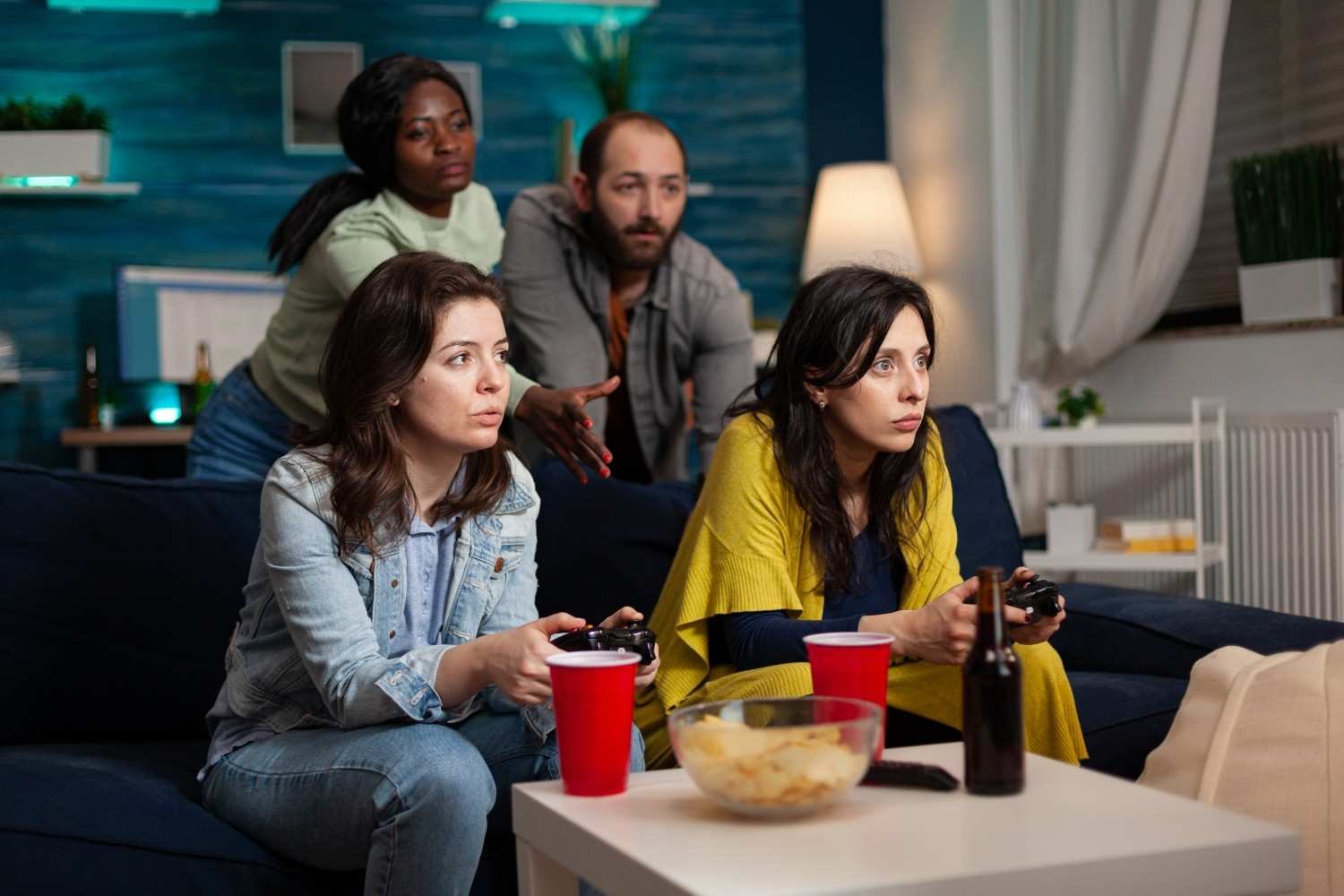
Hollywood has long treated the larger sidekick as an easy source of humor. These characters may appear clumsy, food-obsessed, unhygienic, loud, or relentlessly self-deprecating. The recent Geena Davis Institute research found that fat characters in children’s programming were more likely to be portrayed as lazy, unintelligent, unhygienic, or the target of jokes.
Humor is not the problem. Larger characters should be funny, just as they should be serious, romantic, ambitious, or heroic. Harm emerges when their bodies become the joke.
Why Are Larger Characters Rarely Romantic Leads?
Another familiar trope is the desperate friend who supports a conventionally attractive protagonist but never receives an equally meaningful romantic story. If a larger character does find love, the plot may treat the relationship as surprising or inspirational.
Movies such as Hairspray, Dumplin’, and Real Women Have Curves helped challenge this pattern by giving larger female characters ambition, agency, relationships, and cultural depth. Television programs such as Shrill, Superstore, and Orange Is the New Black have also shown that different body types can belong naturally within complex ensembles.
Why Do So Many Stories Use Weight-Loss Makeovers?
The makeover plot suggests that confidence, romance, professional success, or social acceptance begins only after physical transformation. It presents thinness as moral improvement and teaches audiences that a person must change before life can truly start.
Stories may discuss body dissatisfaction or weight without becoming harmful. The difference lies in whether the character gains self-determination or simply receives approval for moving closer to a narrow beauty ideal.
Why Are Larger Bodies Associated With Villainyainy or Laziness?
Animation and children’s entertainment have frequently used body size as visual shorthand for greed, stupidity, poor hygiene, or villainy. Because young viewers are still learning how to interpret social differences, repeated portrayals can connect larger bodies with negative personal qualities.
Writers can dismantle this stereotype by creating fat athletes, leaders, adventurers, thoughtful friends, and multidimensional protagonists whose abilities do not require explanation.
Why Are Women Judged More Harshly for Their Bodies?
The pressure to conform falls disproportionately on women. Larger male characters can remain powerful leaders, desirable partners, or respected professionals without their weight driving the plot. American sitcoms have repeatedly paired heavier husbands with conventionally thin wives while presenting that arrangement as ordinary.
Larger women rarely receive the same narrative freedom. Scripts may require them to apologize for their appearance, make self-deprecating jokes, hide beneath conservative costumes, or center their lives on weight loss. Research also indicates that fat characters are more likely to be male and older, leaving young girls with especially limited opportunities to see larger female characters as admired leaders.
Authentic body diversity in movies and television must therefore address gender as well as size. Adding larger men while continuing to exclude or stereotype women does not create balanced representation.
How Does Limited Body Representation Affect Mental Health?
Entertainment does not single-handedly cause eating disorders or poor body image. However, media exposure can contribute to body dissatisfaction and thin-ideal internalization, especially when it combines with pressure from peers, family, advertising, and social media.
A study involving girls ages 9 to 12 found that exposure to thin-ideal adult television directly influenced the body figure they considered ideal. Other research has connected internalized appearance standards with body dissatisfaction, disordered eating, and depressive symptoms.
These effects reach viewers of every gender. Women and girls often receive pressure to become thinner, while boys and men may internalize an unrealistic muscular ideal. Disabled viewers and people with visible differences also absorb messages about which bodies Hollywood considers desirable, active, independent, or worthy of romance.
Positive representation can counter those messages. Seeing people with similar bodies experiencing friendship, leadership, joy, adventure, and love can strengthen belonging while helping other viewers question weight stigma.
How Can Hollywood Create Authentic Body Inclusion?How Can Hollywood Create Authentic Body Inclusion?
Studios need to cast larger people as multidimensional leads in romances, thrillers, family stories, action films, and workplace comedies. Their characters should have goals, flaws, relationships, and conflicts unrelated to weight.
Creators must also represent younger people, women, disabled individuals, and racially diverse characters across the body-size spectrum. A single larger supporting actor cannot reflect the variety found in American schools, neighborhoods, and workplaces.
Change must also happen behind the camera. Diverse writers, directors, costume designers, casting professionals, and executives can recognize stereotypes that homogeneous creative teams overlook. Productions should provide inclusive wardrobe options, accessible sets, appropriately sized equipment, and working environments free from appearance-based humiliation.
Most importantly, writers should normalize body neutrality. A character can simply enter a room, pursue a career, fall in love, or save the day without the script commenting on that person’s size.
Frequently Asked Questions (FAQs)
1. Why does body representation matter in movies and TV?
It shapes ideas about beauty, success, health, romance, and belonging. Diverse portrayals can challenge weight stigma and help viewers see different bodies as ordinary and valuable.
2. Has plus-size representation in Hollywood improved?
Yes, larger actors have gained more visible roles, particularly in streaming television. However, they remain underrepresented as central characters and are still frequently assigned stereotypical roles.
3. What makes a plus-size character authentically represented?
Authentic characters possess agency, emotional depth, meaningful relationships, and goals beyond changing their bodies. Their appearance does not automatically determine their personality or storyline.
4. Is body diversity only about weight?
No. It includes age, height, disability, muscularity, scars, limb differences, skin conditions, and other physical traits. Effective inclusion also considers race, gender, sexuality, and culture.
When Every Body Gets to Lead
I will consider Hollywood genuinely inclusive when a different body type no longer requires an announcement, explanation, makeover, or inspirational speech. People should not have to resemble an industry ideal before receiving love, dignity, ambition, or narrative importance.
The future of body diversity in movies and television depends on moving beyond symbolic casting and giving underrepresented performers complete human stories. When American screens reflect the people watching them, entertainment becomes more honest, imaginative, and powerful.