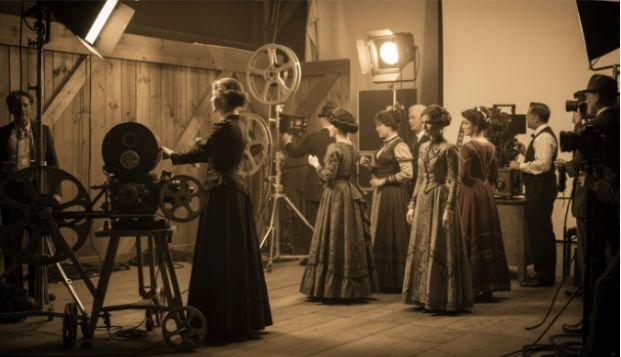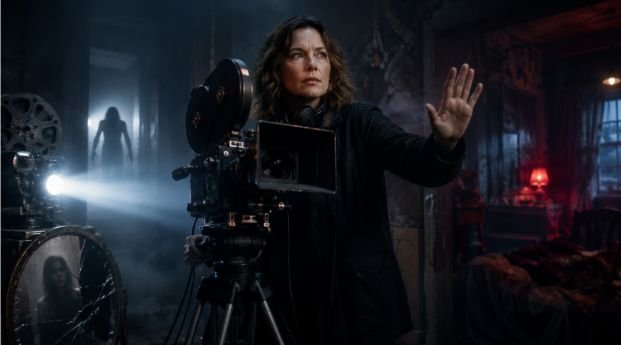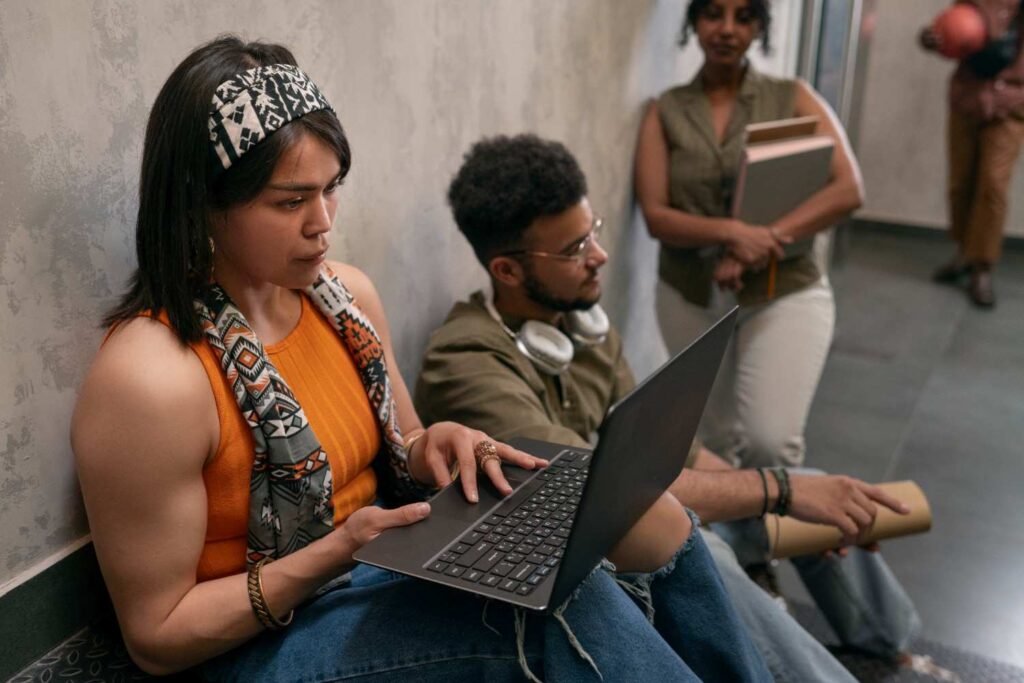
I am fascinated by the moment when a machine stops looking like a cold tool and starts becoming part of an artist’s imagination. The most exciting female artists using technology in creative work are teaching robots to draw, building virtual worlds, translating data into movement, printing lost objects, and questioning who controls the systems shaping everyday life. Purpose matters most.
From Computer Experiments to Immersive Art
Women contributed to technology-based art long before personal computers became common.
Vera Molnár used rules, repetition, and controlled randomness to create algorithmic drawings. Lillian Schwartz worked with computers and animation at Bell Laboratories. Rebecca Allen later explored computer-generated bodies and movement, helping expand the language of 3D animation.
Their experimentation continues the legacy of women painters who changed modern art, challenging accepted materials, techniques, and ideas about who could shape the future of visual culture.
Their experiments created a foundation for artists now working across code, robotics, artificial intelligence, virtual reality, 3D printing, sound, and interactive installation.
Artists Turning Technology Into a Creative Method
Sougwen Chung: Drawing With Robotic Partners
Sougwen Chung creates alongside robotic drawing systems. Instead of asking a machine to produce an instant image, Chung trains robotic collaborators with data taken from previous drawings and gestures.
During performances, the artist and machines respond to one another in real time. Technology becomes a partner rather than an invisible shortcut.
Anna Ridler: Building AI Datasets by Hand
Anna Ridler creates her own datasets before generating images with machine-learning systems. By photographing, sorting, labeling, and organizing source material herself, she makes the dataset part of the artwork.
Her process challenges the idea that AI images appear magically. Every result depends on human selection, classification, and cultural judgment.
Morehshin Allahyari: 3D Printing Cultural Memory
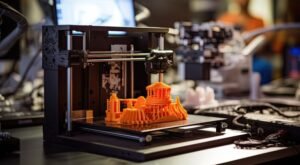
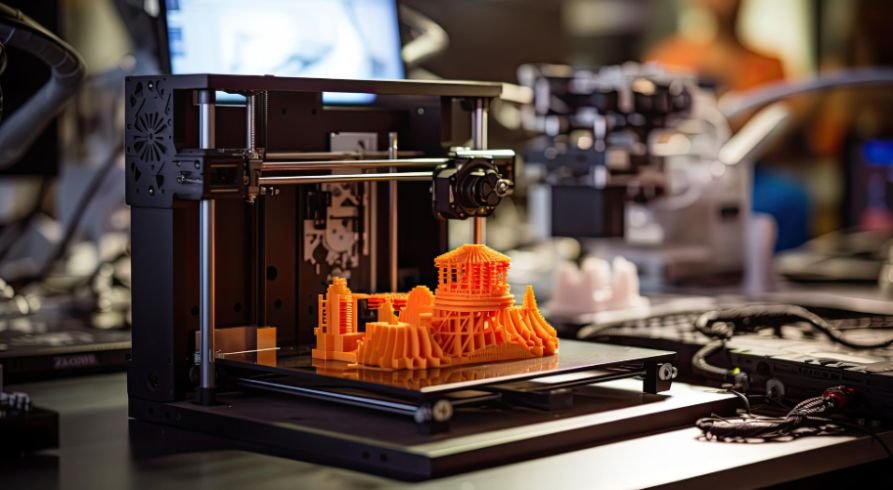
Morehshin Allahyari uses digital modeling, scanning, research, and 3D printing to examine history, colonialism, censorship, and cultural destruction. Reconstructed objects can function as sculptures and speculative archives.
Her work asks whether technology can preserve what has been damaged or erased. It also questions who has the right to reproduce or distribute cultural memory.
Nancy Baker Cahill: Art in Augmented Reality
Nancy Baker Cahill creates augmented-reality projects that appear in public landscapes through a phone or tablet.
Because the artwork depends on location, device, and viewer movement, the audience becomes part of the experience. Her work can address climate, borders, civic space, and public memory.
Snow Yunxue Fu: Virtual Worlds Beyond Physical Rules
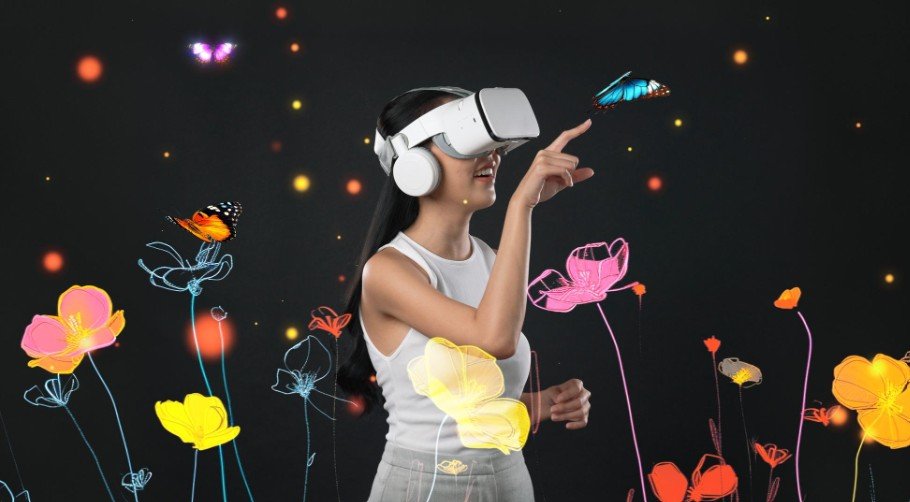
Snow Yunxue Fu builds computer-generated environments filled with impossible architecture, shifting surfaces, and altered perspectives. Her immersive work uses 3D software and virtual reality to question how people understand space when physical rules disappear.
The viewer moves through the image, turning VR into a psychological experience rather than entertainment alone.
Ayoung Kim: Game Engines and Artificial Worlds
Ayoung Kim combines video, artificial intelligence, game-engine environments, sound, and speculative storytelling. Her work explores migration, labor, identity, memory, and the way digital systems reorganize human experience.
Game engines let her build worlds governed by rules and simulated choices. These spaces show how algorithms already influence movement, work, and social behavior.
Heather Dewey-Hagborg: DNA as Artistic Material
Heather Dewey-Hagborg uses genetic material, biological research, facial modeling, and digital fabrication to examine surveillance and privacy. Her projects reveal how traces people leave behind may be collected and interpreted.
The work asks how scientific tools create assumptions about identity and how biological information can become a source of control.
Why the Technology Matters
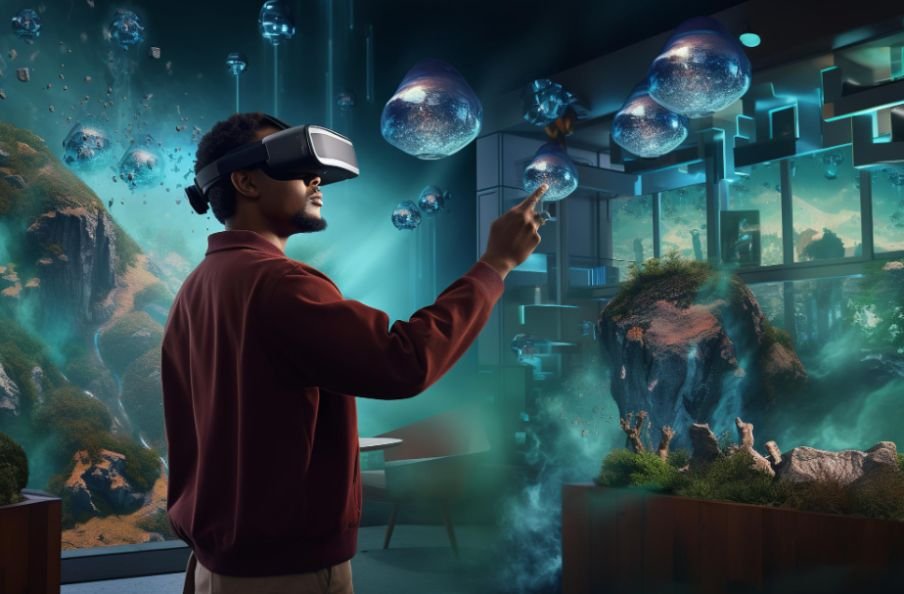
The strongest technology-based art begins with an idea rather than a fashionable tool. Robotics can reveal collaboration. AI can expose hidden labor and bias. Virtual reality can alter bodily perception. Augmented reality can challenge ownership of public space. Bioart can make privacy risks visible. Three-dimensional printing can preserve or complicate cultural history.
A similar balance between innovation and cultural memory appears in the work of women transforming traditional crafts into modern art, who combine inherited techniques with contemporary materials, formats, and social themes.
These practices also raise concerns. AI systems may be trained on creative work without clear consent. Digital projects can require expensive equipment. Software becomes obsolete, making preservation difficult. Large computational systems may carry environmental costs, while biased datasets can repeat social inequalities.
Many artists respond by making these problems visible inside the artwork.
Frequently Asked Questions
1. What technologies do digital artists use?
Artists may work with AI models, robots, creative coding, motion capture, VR, AR, 3D printing, game engines, sensors, projection mapping, biological data, and interactive sound.
2. How are female artists using technology in creative work changing art?
They are expanding what an artwork can be. A piece may respond to an audience, exist in virtual space, evolve through data, or result from collaboration between a person and a machine.
3. Does technology replace traditional artistic skill?
No. Technology changes the skills involved. Artists still make decisions about composition, meaning, research, materials, ethics, and audience experience.
4. What makes technology-based art meaningful?
Meaning comes from the relationship between the tool and the idea. Technology should help the artist reveal something another medium could not communicate in the same way.
Where Art and Technology Meet Next
I believe the future of creative technology will be shaped less by novelty and more by intention. The artists who remain memorable will not be those who use the newest device first, but those who understand what it reveals about people, power, memory, and imagination.
What excites me most is the refusal to separate human creativity from technical experimentation. These artists show that code can carry emotion, robots can participate in gesture, virtual spaces can hold memory, and scientific tools can become instruments of cultural critique. Technology does not have to make art less human. In thoughtful hands, it can help us examine humanity more closely.