I once accepted the familiar version of modern art history: a straight line of celebrated male geniuses producing one breakthrough after another. The deeper I looked, the less convincing that story became. Women were experimenting with abstraction, color, identity, psychology, and everyday life at the same time, often without equal access to academies, galleries, collectors, or critics.
Here, I examine women painters who changed modern art by focusing on what each artist introduced and why her influence still matters in American museums, classrooms, and exhibitions.
Why These Painters Matter
Modern art was not one style. It was a broad rebellion against academic realism and inherited ideas about beauty, subject matter, and authority. These painters changed visual language, expanded major movements, or opened paths later artists followed. Their importance rests not only on the barriers they faced, but on how their work altered color, form, emotion, identity, and the purpose of painting.
Impressionism and Modern Everyday Life
Berthe Morisot
Morisot helped shape Impressionism through loose brushwork, luminous color, and psychologically alert scenes of women and children. She made domestic life a serious modern subject rather than decorative background.
Mary Cassatt
Pennsylvania-born Cassatt at work gave mothers, children, theaters, and women reading unusual structural power. She also encouraged American collectors to buy French modern art, helping Impressionism enter influential private and public collections.
Abstraction Before the Mainstream
Hilma af Klint
Af Klint created large nonrepresentational paintings before abstraction became publicly associated with famous male pioneers. Her geometry, spirals, and symbolic color have forced museums to reconsider the usual timeline of abstract art.
Sonia Delaunay
Delaunay used overlapping forms and simultaneous color contrasts to create visual movement. By carrying her ideas into books, clothing, and interiors, she rejected the boundary between fine art and design.
Modern Identity Across the Americas
Georgia O’Keeffe
O’Keeffe transformed flowers, bones, skyscrapers, and desert landscapes into studies of scale and perception. Her close cropping made familiar objects strange, while her New York paintings captured the energy of the modern city.
Tarsila do Amaral
Tarsila combined European modernist techniques with Brazilian landscapes, bodies, colors, and cultural references. She proved that modern art could be international without simply copying Paris.
Frida Kahlo
Kahlo turned self-portraiture into a language of pain, disability, gender, cultural identity, and emotional endurance. Her direct gaze and layered symbols influenced artists who use personal experience to address public questions.
This connection between identity, place, and visual resistance also appears in the work of women muralists creating powerful public art, who bring cultural memory and overlooked experiences into shared spaces where entire communities can encounter them.
Surrealism Beyond Familiar Names
Remedios Varo
Varo painted dreamlike laboratories, towers, machines, and travelers with precise detail. By blending science, mysticism, and narrative, she created Surrealist worlds where women appear as inventors, seekers, and creators.
Rewriting Abstract Expressionism
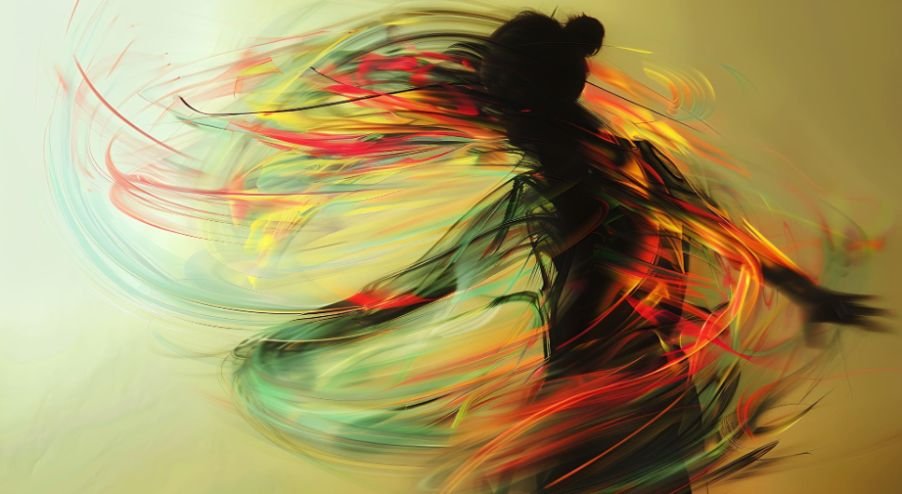
Lee Krasner
Krasner’s reputation was long overshadowed by Jackson Pollock, yet her collages and sweeping paintings reveal constant reinvention. Cutting apart and rebuilding earlier works made revision itself part of her artistic method.
Helen Frankenthaler
Helen Frankenthaler poured thinned paint onto unprimed canvas, allowing color to soak into the surface. Her breakthrough helped move American abstraction toward Color Field painting and away from heavy, aggressive brushwork.
Alma Thomas
Thomas used radiant blocks and bands of color to create paintings that pulse and shimmer. Inspired by gardens, space exploration, and light, she made optimism and motion central to American abstraction.
Elaine de Kooning
De Kooning joined gestural abstraction with portraiture. Her paintings of athletes, artists, and public figures captured personality through motion, proving that recognizable subjects could retain the energy of action painting.
What These Artists Changed
Together, these painters expanded modern art’s subjects, methods, and geography. They made domestic life intellectually serious, pushed abstraction earlier than accepted timelines, connected painting with design, localized international modernism, and used identity as a source of formal innovation.
Their influence extends beyond galleries into books, magazines, and visual storytelling. Like women illustrators shaping modern publishing, these painters challenged established creative standards and expanded whose perspectives could shape culture, representation, and public imagination.
Their careers also reveal how museums, markets, and textbooks can delay recognition even when the artistic evidence is clear. Several of these artists worked within major movements but were treated as secondary figures, while others developed groundbreaking approaches outside the institutions that traditionally determined artistic importance.
Frequently Asked Questions
1. Who are the most influential women painters who changed modern art?
Berthe Morisot, Mary Cassatt, Hilma af Klint, Georgia O’Keeffe, Frida Kahlo, Lee Krasner, Helen Frankenthaler, and Alma Thomas are among the most consequential. Each introduced an approach that changed later painting or reshaped the history of a major movement.
2. Did Hilma af Klint invent abstract art?
She created fully abstract works before several artists traditionally credited as abstraction’s pioneers. Because she did not exhibit those paintings widely during her lifetime, it is more accurate to call her an early independent pioneer who changed abstraction’s accepted chronology.
3. Why were so many female painters overlooked?
Women faced restricted access to professional training, life-drawing classes, galleries, patrons, critical networks, and museum collections. Some were also discussed mainly as wives, students, or companions of male artists, which reduced attention to their independent achievements.
4. Where can their paintings be seen in America?
Their work appears in institutions including the Museum of Modern Art, the Metropolitan Museum of Art, the Whitney Museum of American Art, the Smithsonian American Art Museum, and the National Museum of Women in the Arts. Collection displays change, so visitors should check museum pages before traveling.
Final Brushstroke
When I revisit modern art through these painters, the story becomes richer and more accurate. I no longer see them as additions to an established canon; I see them as builders of the canon itself.
Their experiments changed how painting could look, what it could discuss, and whose experience could command a museum wall. Recognizing that influence does more than correct the past. It gives us a clearer picture of how artistic change actually happens.