The best horror does more than frighten me with a monster. It changes what I consider monstrous. That is why women horror directors and their best films deserve more than a token watchlist. These filmmakers use cannibalism, possession, vampires, slashers, and cults to expose grief, motherhood, masculinity, faith, friendship, and social pressure.
My “fear lens” offers a practical way to choose what to watch. Each entry identifies the human anxiety that the director transforms into horror.
Why Women-Directed Horror Feels Different
These films do not share one visual style or storytelling formula. Some use graphic physical transformation. Others create dread through silence, domestic spaces, strained relationships, or uncomfortable social situations.
What connects them is perspective. Their protagonists often possess desire, anger, agency, and contradictions instead of existing only as victims. The terror may come from social expectations, suppressed grief, destructive friendships, or identities that no longer fit.
Readers interested in similarly daring filmmaking beyond horror can also explore best independent films directed by women.
Body Horror and Psychological Terror
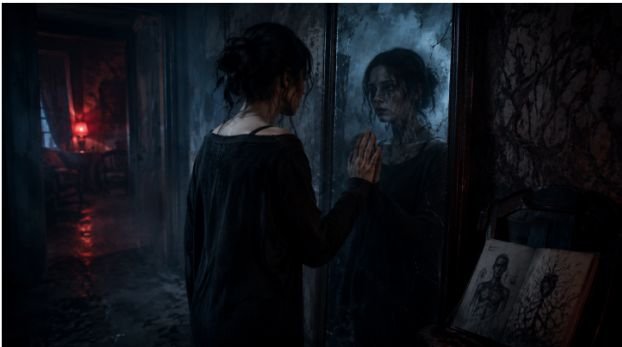
Julia Ducournau — Raw and Titane
Raw follows a vegetarian veterinary student whose first taste of meat awakens an appetite for human flesh. Cannibalism becomes a metaphor for desire, identity, family inheritance, and the alarming changes of early adulthood.
Titane pushes physical transformation further through metal, violence, gender, and unexpected tenderness. Cannes awarded the film the 2021 Palme d’Or, making Ducournau the second woman to receive the festival’s highest prize.
Among women horror directors and their best films, Ducournau’s work offers the most confrontational examination of bodies that refuse social control.
Fear lens: becoming someone your old identity cannot contain.
Jennifer Kent — The Babadook
The Babadook turns grief into a creature that cannot simply be killed or banished. Amelia is an exhausted widowed mother raising a distressed child while suppressing her own pain. The monster becomes stronger as her denial deepens.
I recommend this film to viewers who prefer emotional dread over graphic violence. The BFI highlights the connection between its supernatural threat, parental pressure, and damaged family bonds.
The film’s most powerful idea is that grief does not disappear after one brave confrontation. It must be acknowledged and managed.
Fear lens: private grief consuming the people closest to you.
Rose Glass — Saint Maud
Saint Maud traps viewers inside the certainty of a newly devout hospice nurse. Maud believes she has been chosen to save her patient’s soul, but her devotion gradually becomes dangerous obsession.
Rose Glass uses confined spaces, close framing, unsettling sound, and physical sensation to blur religious ecstasy with psychological collapse. The BFI identifies religion, terminal illness, and self-harm as central themes within the film.
Fear lens: believing your inner voice carries divine authority.
Feminist Slashers, Satires, and Cult Favorites
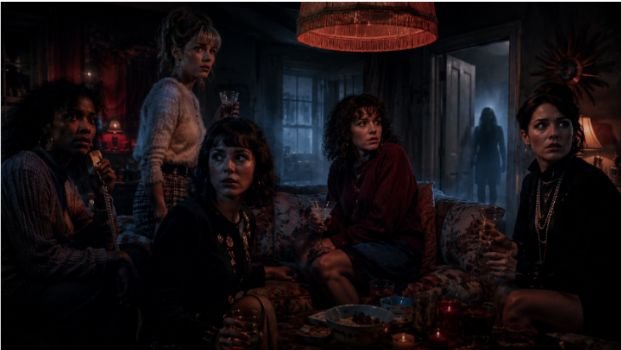
Mary Harron — American Psycho
American Psycho is frightening because Patrick Bateman’s violence grows from a culture already built on status, consumption, competition, and dehumanization.
Mary Harron emphasizes the absurdity beneath his polished routines. Expensive suits, elaborate grooming, and restaurant reservations become evidence of a personality built entirely from surfaces.
The BFI notes that Harron sharpens the story’s satire of misogyny and 1980s Wall Street culture rather than presenting Bateman as an aspirational antihero.
Fear lens: social success erasing empathy.
Karyn Kusama — Jennifer’s Body and The Invitation
Jennifer’s Body now reads as a sharp story about teenage friendship, exploitation, sexuality, and anger. The film was initially misunderstood, but the BFI has documented its journey from box-office disappointment to feminist cult classic.
The Invitation displays Kusama’s control of a different type of horror. A dinner party becomes unbearable as grief, politeness, suspicion, and social pressure collide. The danger develops slowly because the characters fear appearing rude or paranoid.
I suggest starting with Jennifer’s Body for energy and dark humor, then watching The Invitation for controlled suspense.
Fear lens: relationships that demand silence.
Kathryn Bigelow — Near Dark
Near Dark removes the luxury and elegance associated with traditional vampire stories. Its blood-drinking outlaws travel along dusty highways like a violent, dysfunctional family in a neo-Western.
The film combines romance, brutality, action, and group loyalty without turning its vampires into glamorous aristocrats.
Bigelow later became the first woman to win the Academy Award for directing. Near Dark had already demonstrated her skill at building physical tension and depicting characters attracted to dangerous communities.
Fear lens: the seductive pull of belonging to a destructive group.
Mary Lambert — Pet Sematary
Pet Sematary understands that overwhelming grief can make a terrible decision appear reasonable. An ancient burial ground promises to reverse death, but every resurrection destroys what the mourner hoped to recover.
The BFI confirms that Mary Lambert directed the 1989 adaptation written by Stephen King.
The film remains disturbing because its characters recognize the danger and continue anyway. Their inability to accept irreversible loss becomes more frightening than the supernatural force itself.
Fear lens: believing love justifies refusing reality.
Amy Holden Jones — The Slumber Party Massacre
Written by feminist novelist Rita Mae Brown and directed by Amy Holden Jones, The Slumber Party Massacre delivers familiar slasher thrills while mocking the genre’s sexualized conventions.
Its drill-wielding killer makes the film’s symbolism almost impossible to miss. The American Film Institute confirms Jones as director and Brown as writer, while the BFI describes the screenplay as a satire of slasher cinema.
It proves women horror directors and their best films challenged the male gaze long before feminist horror became a convenient marketing label.
Fear lens: turning women’s bodies into spectacle.
Global Horror with New Monsters
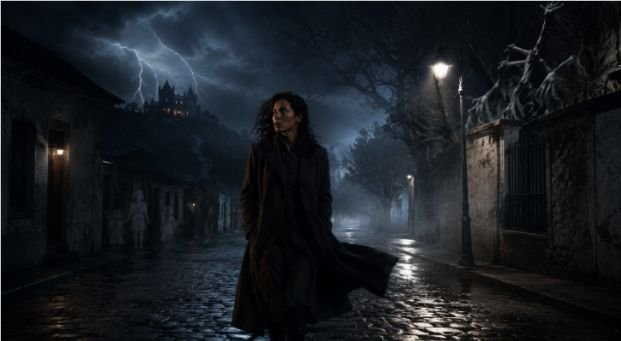
Ana Lily Amirpour — A Girl Walks Home Alone at Night
Ana Lily Amirpour’s black-and-white debut creates a vampire who is simultaneously a predator, protector, outsider, and romantic figure.
Set in the fictional Bad City, the film combines Persian-language cinema, Western imagery, striking music, and pulp style. Sundance describes it as genre-bending and notes its reputation as Iran’s first vampire Western.
Fear lens: becoming the judge of a corrupt and lonely place.
Issa López — Tigers Are Not Afraid
Tigers Are Not Afraid follows orphaned children attempting to survive drug-war violence while ghosts gather around them.
Issa López uses magical realism without softening the brutality of the children’s surroundings. Fantasy becomes a language for trauma that adults and institutions have failed to address.
Shudder describes the film as a horror fairy tale about children pursued by both ghosts and the cartel responsible for killing their parents.
Fear lens: childhood coexisting with violence it cannot explain.
Halina Reijn — Bodies Bodies Bodies
Bodies Bodies Bodies turns a hurricane party into a social autopsy. Suspicion spreads through a wealthy group already weakened by resentment, performative language, romantic jealousy, and insecurity.
A24 describes the film as a darkly funny story about backstabbing and fake friends. Halina Reijn has also explained that group behavior and the human need to belong shaped her direction.
Fear lens: friends weaponizing everything they know about you.
Michelle Garza Cervera — Huesera: The Bone Woman
Huesera treats pregnancy as an identity conflict rather than a guaranteed source of fulfillment. Valeria experiences disturbing visions and a bone-cracking presence as society’s expected version of motherhood closes around her.
Tribeca praised Michelle Garza Cervera’s feature debut for its intimate treatment of first-time motherhood, anxiety, and difficult personal choices.
The supernatural entity is terrifying, but the deeper horror comes from being praised for entering a future that feels increasingly unfamiliar.
Fear lens: being celebrated for a life you do not recognize as your own.
My Essential Watch Order
Begin with The Babadook for emotional horror. Choose Raw for visceral coming-of-age fear, American Psycho for satire, and The Invitation for controlled suspense.
Follow those with A Girl Walks Home Alone at Night when you want atmosphere and striking visual style. Save Titane for last because it is the most confrontational and unpredictable film on this list.
That sequence moves from recognizable emotional fears toward stranger forms of physical and social transformation. It also demonstrates why women horror directors and their best films cannot be reduced to one universal “female perspective.”
FAQs About Women-Directed Horror Movies
1. Who are the most influential women horror directors?
Kathryn Bigelow, Mary Harron, Mary Lambert, Karyn Kusama, Jennifer Kent, and Julia Ducournau are strong starting points across several horror eras.
2. What are the best feminist horror films directed by women?
Jennifer’s Body, Raw, The Slumber Party Massacre, American Psycho, and Huesera examine gender, power, identity, exploitation, or the female body.
3. Which women-directed horror movie should beginners watch first?
The Babadook is accessible, emotionally rich, frightening, and representative of modern psychological horror.
4. Are there good international horror films directed by women?
Yes. Titane, Raw, Tigers Are Not Afraid, A Girl Walks Home Alone at Night, and Huesera offer distinct cultural and cinematic perspectives.
The Final Girl Is Holding the Camera Now
The strongest women horror directors and their best films do not simply replace male heroes with female ones. They change the source of fear.
Grief becomes architecture. Pregnancy becomes body horror. Friendship becomes a weapon. Masculinity becomes satire. Religious devotion becomes psychological imprisonment.
Start with the fear that unsettles you most. Choose The Babadook for emotional dread or Raw for something sharper, stranger, and much harder to shake.