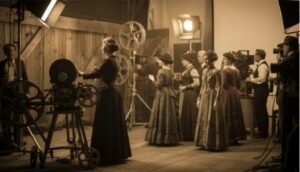
I see art festivals founded by women as more than dates on a cultural calendar. Many began because an artist, curator, producer, or collective noticed that important voices were missing from established institutions. By building a festival, these women created stages, galleries, screening rooms, conversations, and professional networks where overlooked artists could be seen on their own terms.
What Makes a Festival Truly Women-Founded?
A festival should not be called women-founded simply because a woman later became its director or public face. A founder shapes the original purpose and identity of an event, while a director or curator may guide an existing organization into a new era.
The festivals below were selected because women played a documented role in creating the event or founding collective. They also represent different disciplines, locations, and generations.
Festivals That Opened New Cultural Space
Sojourner Truth Festival of the Arts
Held in New York in 1976, the Sojourner Truth Festival of the Arts was organized by Black feminist artists at the Women’s Interart Center. Its program combined literary, visual, and performing arts, with a major focus on films and video by and about Black women. Research describes it as the first Black women’s film festival.
Its importance goes beyond being “first.” The festival created a meeting point for filmmakers overlooked by mainstream film culture while calling for the institutions, criticism, distribution, and archives needed for Black women’s cinema to thrive.
It also proved that a cultural gathering could serve two purposes at once. Audiences could celebrate new work while artists discussed the structural changes required to protect, distribute, and preserve it.
Ladyfest
The first Ladyfest took place in Olympia in 2000 after a large group of women organized a do-it-yourself gathering around music, visual art, film, workshops, and performance. Allison Wolfe was among its founding organizers, while oral history records describe the event as the work of 52 women rather than a top-down production.
That collective model became part of Ladyfest’s influence. Independent editions later appeared in different places, adapting to local feminist, queer, punk, and artistic communities.
Instead of protecting a rigid festival brand, Ladyfest encouraged people to build their own cultural spaces with local artists and volunteers. Its influence came from an idea that could travel without losing its community-led character.
WOW – Women of the World Festival
Theatre director Jude Kelly launched WOW in London in 2010 while serving as artistic director of the Southbank Centre. She wanted a visible cultural space where women’s stories could be shared and gender inequality discussed without losing the energy and accessibility of a festival.
WOW combined performance, music, talks, workshops, activism, and public conversation. Its flexible format helped it travel beyond one venue or country and grow into an international movement.
Its strength lies in treating difficult issues as part of culture rather than separating celebration from social change. Performances attract audiences, while discussions and workshops give participants room to examine barriers affecting women and girls.
Gender Bender Arts Festival
Gender Bender emerged in Bengaluru through a collaboration between Sandbox Collective and the Goethe-Institut/Max Mueller Bhavan. Sandbox Collective was founded by Nimi Ravindran and Shiva Pathak, and the festival developed as a platform for artistic work addressing gender, sexuality, bodies, identity, and justice.
The festival commissions and presents theatre, dance, music, film, installations, literature, performance, comedy, and experimental projects. This multidisciplinary approach prevents conversations about gender from being restricted to academic panels.
Its trigger-grant model also helps artists develop original work, giving the event an active role in cultural production rather than merely presenting finished pieces.
This commitment to developing original work also reflects the influence of women sculptors redefining contemporary art today, whose experimental materials and bold forms continue to expand how audiences experience visual culture.
PhotoVogue Festival
Alessia Glaviano initiated the PhotoVogue Festival in Milan in 2016 after building PhotoVogue as a curated platform for photographers. The festival connected exhibitions, talks, portfolio reviews, and visual culture with questions about ethics, aesthetics, diversity, representation, and justice in image-making.
Its value comes from placing emerging photographers in conversation with editors, curators, institutions, and established practitioners. Portfolio reviews and open opportunities can provide visibility to creators who may otherwise struggle to enter influential photography networks.
Instead of treating photography as pure style, the festival asks who creates images, who is represented, who controls visual narratives, and what responsibilities come with cultural influence.
Why Women Build Festivals Instead of Waiting for Access
Across these examples, the recurring problem is not a lack of women making art. It is a lack of access to decision-making, funding, programming, critical attention, and public space.
Founding a festival allows creators to redesign those systems rather than wait to be invited into them. They can select artists differently, commission neglected work, create safer environments, and connect audiences with stories rarely prioritized by established institutions.
That same determination is visible among women muralists creating powerful public art, who use shared walls and public spaces to amplify overlooked histories, identities, and social issues.
The strongest events also make room for differences in race, sexuality, gender identity, geography, class, disability, artistic discipline, and professional experience. Their impact grows when representation is supported by grants, commissions, archives, mentorship, partnerships, and sustained opportunities.
Frequently Asked Questions
1. What makes art festivals founded by women culturally important?
They often respond to gaps that established institutions have ignored. By shaping programming and purpose from the beginning, founders can support new artists, preserve overlooked histories, attract different audiences, and test more inclusive ways of producing culture.
2. Are women-founded festivals only for women?
Not necessarily. Some prioritize women artists or audiences, while others welcome everyone and focus on equality, representation, or artistic freedom. Participation rules vary according to each festival’s mission.
3. How do these festivals support emerging artists?
Support may include open calls, commissions, development grants, workshops, portfolio reviews, performances, exhibition space, media attention, and contact with curators or producers. These opportunities can help an artist move from private practice into public recognition.
4. Why is founder verification important?
Accurate attribution protects cultural history. Calling a later director the founder can erase the people who developed the original idea, secured early support, recruited collaborators, and accepted the risk of launching something new.
The Lasting Impact of Women-Built Festivals
I am most inspired by the way these festivals turn frustration into structure. Their founders did not stop at identifying inequality. They designed real alternatives where art, debate, pleasure, experimentation, and community could exist together.
The enduring lesson is that cultural change needs places where people can gather. A festival may last a weekend, continue for several weeks, or travel across continents, but the relationships and opportunities it creates can continue for years.
When women build those spaces from the ground up, they do more than expand an arts program. They change who receives attention, who controls the stage, and who gets to shape culture.