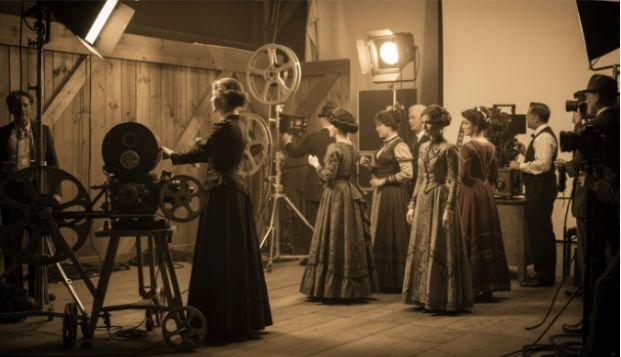

Some creative work grabs your attention because it’s technically impressive. Other pieces stay with you because they feel real. A novel that mirrors an emotion you’ve struggled to explain, a photograph that instantly brings back a memory, or a film character who feels uncannily familiar often has one thing in common: it was shaped by lived experience.
That’s why understanding how personal experiences shape creative work matters more than ever. Creativity isn’t just about imagination. It’s about combining observation, emotion, memory, and perspective into something that feels honest. The most memorable creators rarely invent everything from scratch. Instead, they transform ordinary moments, personal challenges, and meaningful relationships into stories that connect with people far beyond their own lives.
Why Personal Experience Creates Authentic Creativity

Every person experiences the world differently. Two people can witness the same event but remember different details, emotions, and lessons. That unique perspective becomes the foundation of authentic creative work.
Whether someone is writing fiction, designing a product, composing music, or creating digital content, personal experiences naturally influence decisions. They affect tone, character development, visual style, pacing, and even the smallest creative choices. These details give creative work something audiences immediately recognize authenticity.
People don’t simply relate to events. They connect with emotional truth. A story about loss isn’t memorable because someone experienced heartbreak. It resonates because the emotions feel honest enough for readers to recognize pieces of their own lives.
Everyday Moments Often Inspire the Strongest Stories
Many people believe creativity comes from extraordinary adventures. In reality, everyday experiences often become the most powerful creative inspiration.
Waiting at a train station, reconnecting with an old friend, moving to a new city, or overcoming self-doubt can all become meaningful creative material. These moments may appear ordinary, but they contain emotions that almost everyone understands.
Creators who pay close attention to daily life usually build richer stories because they notice subtle details others overlook. The way someone pauses before answering a difficult question or the silence after an argument often says more than dramatic dialogue ever could. Observation becomes just as valuable as imagination.
Emotional Truth Matters More Than Perfect Accuracy

Authentic storytelling doesn’t require copying real life exactly as it happened. In fact, many successful creators change names, settings, timelines, or entire plotlines while preserving the emotional core of an experience.
A difficult career setback might become a fictional character’s personal journey. A childhood memory may inspire the setting for an entirely original novel. A meaningful conversation can evolve into dialogue between completely different characters.
What remains constant is the emotional truth.
When creators focus on how an experience felt rather than documenting every fact, their work often becomes more relatable. Readers and viewers aren’t looking for perfect accuracy; they’re looking for honesty.
Reflection Turns Memories Into Meaning
Not every life experience becomes creative work immediately. Sometimes distance creates clarity.
Reflection allows creators to understand why an event mattered, what changed because of it, and which emotions continue to linger. Journals, old photographs, voice notes, and personal sketches often help uncover sensory details that memory alone might miss.
Instead of remembering only what happened, creators begin recalling sounds, textures, expressions, weather, and tiny interactions that make scenes feel believable. Those details create immersive storytelling because they mirror how people actually remember important moments.
Vulnerability Builds Stronger Audience Connections

One of the biggest differences between forgettable content and meaningful creative work is vulnerability.
Audiences recognize when creators present polished perfection instead of genuine experiences. Sharing uncertainty, mistakes, disappointment, or personal growth often creates a stronger emotional connection than highlighting only achievements.
That doesn’t mean revealing every private detail. It means allowing imperfections to exist within the creative process.
Many respected authors, filmmakers, musicians, and designers openly discuss how failure, rejection, or unexpected life changes shaped their best work. Those experiences don’t weaken creativity; they often become its greatest strength.
Personal Stories Become Universal Through Shared Emotions
The most successful creators don’t tell stories because their lives are extraordinary. They tell stories because their emotions are familiar.
A personal memory about changing schools can become a story about belonging. Losing an opportunity can become a story about resilience. Moving away from home can become a story about identity and growth.
Specific experiences create universal meaning.
That’s why audiences from different backgrounds often connect with stories that seem deeply personal. While the events may differ, the emotions remain recognizable across cultures, generations, and creative disciplines.
Different Creative Fields Use Personal Experience Differently

Although every creative profession approaches storytelling differently, personal experience remains a common thread.
- Writers transform memories into compelling narratives and believable characters.
- Designers use personal observations to solve real-world problems with empathy.
- Photographers capture moments that reflect emotion rather than simply documenting events.
- Filmmakers combine visual storytelling with personal perspective to create memorable scenes.
- Content creators often build loyal audiences by sharing honest experiences instead of chasing trends.
Across every discipline, originality grows from perspective rather than imitation. That’s also why lessons learned from successful women leaders often resonate beyond business; they demonstrate how personal journeys, resilience, and lived experiences can inspire authentic leadership, creativity, and meaningful storytelling.
Turning Your Experiences Into Better Creative Work
Creative growth doesn’t begin with finding extraordinary stories. It begins with paying closer attention to your own.
Ask yourself which moments changed your perspective. Keep a journal of interesting conversations. Record observations that others might overlook. Instead of asking whether an experience is dramatic enough, ask what emotion it revealed.
Over time, those small reflections become the raw material for stories, designs, artwork, and ideas that feel unmistakably original because they couldn’t have been created by anyone else.
Frequently Asked Questions
1. Why do personal experiences improve creative work?
Personal experiences add emotional depth, authenticity, and unique perspectives that help creative work feel genuine and relatable.
2. Do creators have to tell true stories?
No. Many creators fictionalize events while preserving the emotions, lessons, and relationships that inspired them.
3. Can ordinary experiences inspire meaningful creativity?
Absolutely. Everyday conversations, routines, challenges, and observations often provide stronger inspiration than dramatic life events because they’re universally relatable.
4. How can someone use personal experiences without oversharing?
Focus on the emotions, themes, and lessons instead of specific facts. Changing details while keeping the emotional truth allows creators to protect privacy and still connect with audiences.
Where Authentic Creativity Continues to Grow
Creative work becomes memorable when it reflects something genuine. Technical skills, storytelling techniques, and artistic talent all matter, but they gain lasting impact when they’re rooted in lived experience. The memories, relationships, challenges, and quiet moments that shape everyday life often become the foundation for the stories people remember most.
The more honestly creators observe their own experiences, the more naturally their work connects with everyone else’s.