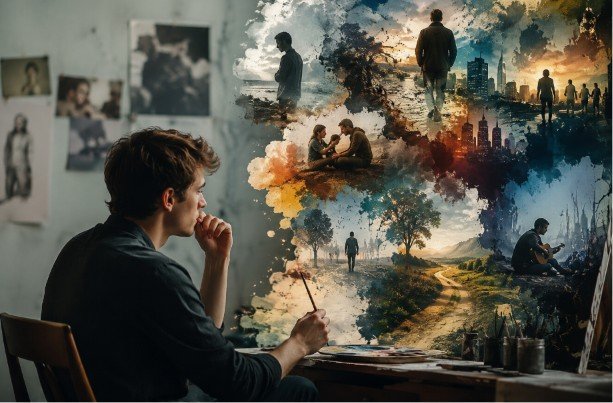
Art rarely begins with a blank canvas. Long before the first brushstroke, lyric, photograph, or page, it starts with a memory, a conversation, a difficult season, or a moment that refuses to fade. Two artists can witness the same event and still create completely different work because what they bring to the experience is just as important as the experience itself.
That personal lens is why how life experiences shape artistic expression remains such a fascinating subject. Creativity isn’t only about talent or technical skill. It’s about how people process emotions, observe the world, and translate those moments into something others can connect with. The more life changes us, the more it often changes what we create.
Why Every Artist Sees the World Differently
No one experiences life in exactly the same way. Family, culture, education, relationships, success, failure, and personal challenges all influence how people interpret the world around them. Those perspectives naturally become part of the creative process.
An artist isn’t simply recreating reality; they’re interpreting it. A rainy afternoon might inspire one painter to create a peaceful landscape while another sees loneliness or nostalgia. The difference isn’t the weather. It’s the life behind the artist’s eyes.
This unique perspective gives artistic expression its authenticity. It allows creators to produce work that feels personal rather than manufactured.
Emotions Become the Language of Creativity
Some emotions are difficult to explain with words alone. Art offers another way to communicate them.
Whether someone is painting, writing, composing music, or taking photographs, emotions often influence creative decisions without conscious effort. Color choices, textures, lighting, rhythm, composition, and even empty space can reflect joy, grief, hope, anxiety, or healing.
Researchers have also found that creative activities help regulate emotions by engaging areas of the brain associated with imagination and reward. That’s one reason many people describe creating art as calming or therapeutic. Instead of keeping emotions trapped internally, they transform them into something visible, audible, or tangible.
For many creators, art becomes less about producing something beautiful and more about making sense of life’s most meaningful moments.
Childhood Often Leaves the Strongest Creative Imprint
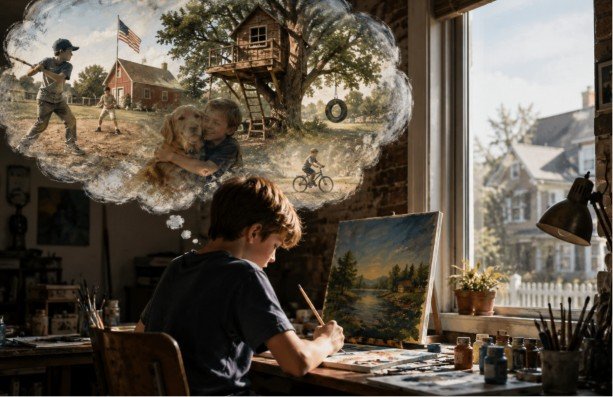
Long before artists develop technical skills, they begin collecting experiences.
Childhood memories, traditions, favorite places, family relationships, and early challenges often shape artistic identity in ways that become clear years later. A writer may return to stories inspired by their hometown, while a photographer might become fascinated with ordinary neighborhood scenes because they represent familiarity and comfort.
Even difficult childhood experiences can influence creativity by encouraging deeper emotional awareness and stronger storytelling.
These early memories don’t define an artist forever, but they often provide the first creative vocabulary that continues evolving throughout life.
Everyday Moments Shape Art More Than We Realize
People often assume artistic inspiration comes from extraordinary experiences. In reality, ordinary moments frequently leave the deepest impression.
Watching strangers interact at a coffee shop, taking a walk after work, hearing a family story, or noticing changing seasons can all inspire creative expression. Artists tend to observe details that others overlook, collecting small moments until they become larger narratives.
This is why creativity doesn’t always require dramatic life events. Paying closer attention to everyday experiences often produces more authentic work than constantly searching for inspiration.
Growth, Failure, and Change Create New Perspectives
Personal growth rarely happens without discomfort. Career setbacks, moving to a new city, losing relationships, overcoming illness, or simply entering a new stage of life all reshape the way people think.
Those experiences also reshape artistic expression.
Many creators notice their work changing naturally as they mature. Earlier projects may focus on technical ability, while later work emphasizes emotional depth and storytelling. Experience adds layers that can’t be learned from tutorials alone.
Many creative life lessons emerge through these moments, teaching artists how failure, reflection, and personal change can deepen both their perspective and creative expression.
For creatives who are building a purpose-driven career, this evolution becomes especially valuable. Their work begins reflecting not only what they can create but also what they genuinely believe and understand through lived experience.
Different Creative Mediums Tell Different Stories
Every artistic medium offers unique ways to translate experience into creativity.
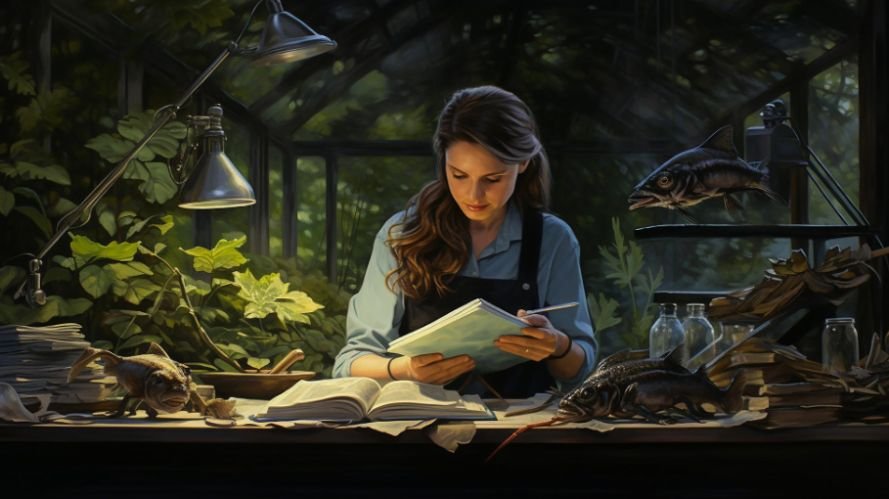
- Painters communicate through color, texture, and composition.
- Writers build emotional connections through language and storytelling.
- Musicians express feeling through rhythm, melody, and silence.
- Photographers capture perspective through framing, light, and timing.
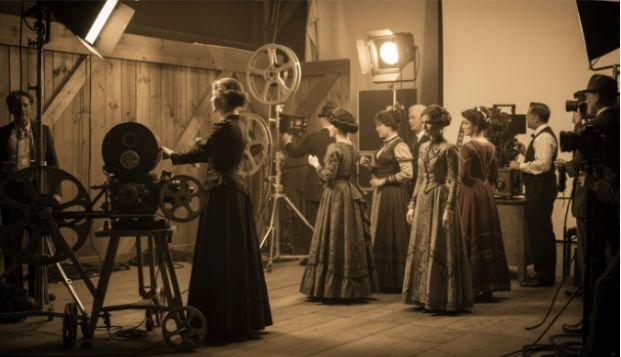
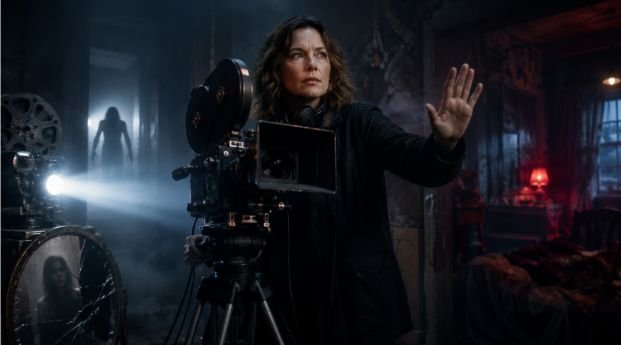
- Filmmakers combine visuals, dialogue, and sound to create layered narratives.
Although each medium is different, they all share the same foundation: personal experience transformed into meaningful expression.
Authentic Art Connects With People
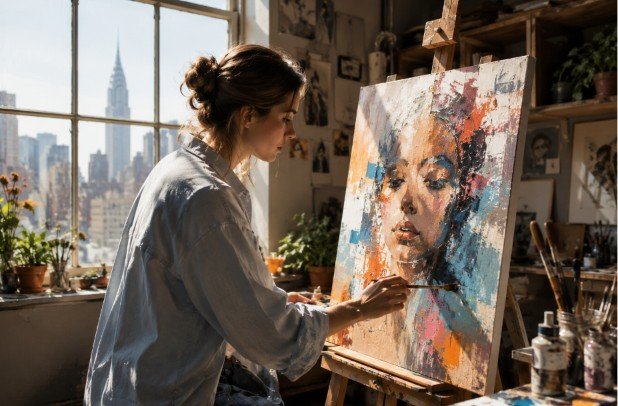
Audiences don’t always remember the most technically impressive work. They remember the work that made them feel something.
Authenticity creates that emotional connection. When artists draw from real experiences, their work often resonates because people recognize pieces of their own lives within it.
That’s why some of history’s most celebrated creative works continue inspiring audiences decades later. They explore universal emotions like love, loss, resilience, hope, fear, and belonging experiences that never become outdated.
Technical skill can capture attention, but emotional honesty is what keeps people engaged.
1. How do life experiences influence artistic expression?
Life experiences shape an artist’s perspective, emotions, and storytelling, making creative work more personal and meaningful.
2. Can everyday experiences inspire great art?
Yes. Small daily moments often spark authentic ideas because they’re grounded in real observation and emotion.
3. Does emotional expression improve creativity?
Expressing emotions through art can encourage self-reflection, reduce stress, and help creators develop a stronger creative voice.
4. Why do artists change their style over time?
As people grow through new experiences, relationships, challenges, and achievements, their perspectives naturally evolve, influencing both their techniques and artistic direction.
The Stories We Carry Never Stop Creating
Every artist carries an invisible collection of memories, emotions, relationships, and lessons that quietly influence every creative decision. Those experiences shape not only what gets created but also why it matters. Technique may improve with practice, but perspective grows through living, observing, and embracing change.
The most memorable art rarely comes from perfect circumstances. It comes from a life that has been fully experienced.