

Some of the most valuable lessons in life don’t arrive with perfect timing or clear instructions. They appear after a difficult conversation, a failed attempt, an unexpected opportunity, or a quiet moment when you realize you’ve been looking at the world the wrong way. You can read countless books or listen to endless advice, but certain truths only make sense after you’ve experienced them yourself.
That’s what makes creative life lessons so different. They aren’t built on theory alone. They come from trying, adapting, making mistakes, and discovering what actually works for you. Whether you’re building a career, exploring a passion, or simply figuring out your next step, these lessons have a way of changing not only how you create but also how you live.
Why Experience Is the Best Creative Teacher

Knowledge gives you direction, but experience gives you perspective. You can learn techniques, strategies, and best practices from experts, yet creativity truly develops when you’re willing to experiment without knowing the outcome.
Every project, challenge, or unexpected setback teaches something that no classroom can replicate.
Over time, those moments become the foundation of personal growth, helping you make better decisions with greater confidence.
Action Creates Clarity Faster Than Endless Planning
It’s easy to believe that waiting for the perfect idea will lead to better results. In reality, overthinking often delays progress more than lack of talent ever does.
Many successful creators discover that clarity comes after taking action, not before it. Writing one imperfect page, launching a small project, or trying a different approach immediately reveals what needs improvement. Momentum has a way of answering questions that endless planning never can.
The willingness to begin even imperfectly is one of the most meaningful life lessons anyone can learn.
Failure Is Feedback, Not a Final Verdict
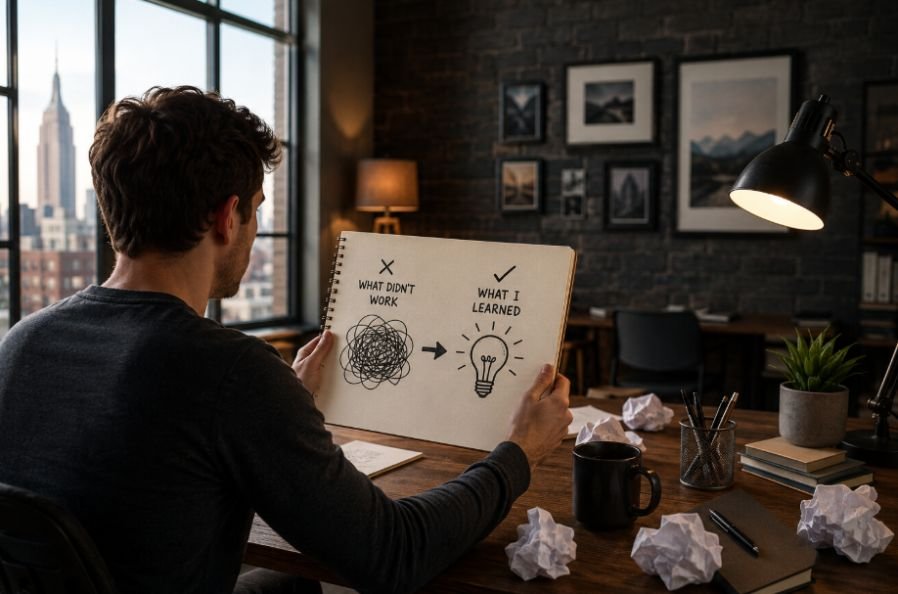
Failure feels personal in the moment, but time usually reveals something different. A project that didn’t work, a rejected idea, or a missed opportunity often highlights exactly where growth is needed.
Instead of treating setbacks as proof of inability, creative thinkers use them as information. Every mistake exposes a weak process, an overlooked detail, or a new direction worth exploring.
This mindset transforms failure from something to avoid into something that quietly accelerates improvement. Growth becomes less about protecting your reputation and more about refining your craft.
Solitude Gives Your Best Ideas Room to Grow
There’s an important difference between isolation and solitude. Isolation disconnects people, while solitude creates space for reflection.
Many creative breakthroughs happen when distractions disappear. Without constant comparisons or outside opinions, it’s easier to hear your own thoughts and develop ideas that genuinely reflect your perspective.
Stepping away from the noise doesn’t mean avoiding collaboration. It simply gives creativity enough room to develop before the world begins influencing it.
Stop Chasing Approval and Start Enjoying the Process

External validation feels rewarding, but it rarely lasts. Likes, compliments, and recognition create temporary motivation, yet they often disappear as quickly as they arrive.
Long-term creativity depends on something more reliable: enjoying the work itself.
When the process becomes more rewarding than the applause, consistency becomes easier. You stop creating for immediate recognition and begin creating because the work itself feels meaningful. That shift often produces better results than chasing popularity ever could.
The Hardest Skill Is Letting Go of Old Versions of Yourself
One of the most overlooked creative life lessons is learning to outgrow your previous success.
People naturally hold onto routines that once worked, but growth usually requires leaving familiar habits behind. That might mean changing your approach, learning new skills, or accepting that your definition of success has evolved.
Unlearning can feel uncomfortable because it forces you into uncertainty. Yet that uncertainty often becomes the starting point for your next breakthrough.
Small Daily Choices Build Extraordinary Growth

Big transformations rarely happen overnight. More often, they’re built through small decisions repeated consistently.
Creative people don’t become better because of one brilliant idea. They improve because they keep showing up, even when inspiration feels distant. Reading regularly, practicing deliberately, asking better questions, and staying curious all contribute to long-term progress.
These quiet habits may not seem dramatic, but they often produce the biggest changes over time.
A similar pattern appears in personal stories that motivate change, where meaningful progress usually begins with one small decision rather than one life-changing event.
Creativity Extends Beyond Art
Creativity isn’t limited to painting, writing, music, or design. It’s equally valuable in solving workplace challenges, building relationships, raising children, starting businesses, or adapting to unexpected situations.
People who approach problems creatively often remain more flexible because they’re willing to experiment instead of insisting on perfect solutions. That adaptability becomes an advantage in both personal and professional life.
Creativity, in many ways, is simply the willingness to keep learning.
Frequently Asked Questions
1. What are creative life lessons?
Creative life lessons are insights gained through personal experience, experimentation, and reflection rather than formal education. They help people think differently, solve problems, and grow over time.
2. Why do mistakes matter in creative growth?
Mistakes provide practical feedback. They reveal what needs improvement, strengthen resilience, and encourage better decisions instead of limiting future progress.
3. Can creativity be developed later in life?
Yes. Creativity grows through curiosity, consistent practice, openness to new experiences, and the willingness to challenge familiar habits regardless of age.
4. How can someone apply these lessons every day?
Start small. Take action before feeling completely ready, reflect on setbacks, remain curious, and focus on steady progress instead of immediate perfection. Small daily choices often create the most lasting change.
The Lessons That Stay With You Longest
The most powerful lessons rarely announce themselves when they’re happening. They often look like ordinary days, difficult decisions, unexpected failures, or quiet moments of reflection. Looking back, those experiences become the turning points that shape confidence, resilience, and creativity in ways no checklist or motivational quote ever could.
The more willing you are to keep learning, adapting, and creating, the more those experiences become part of the life you’re building.