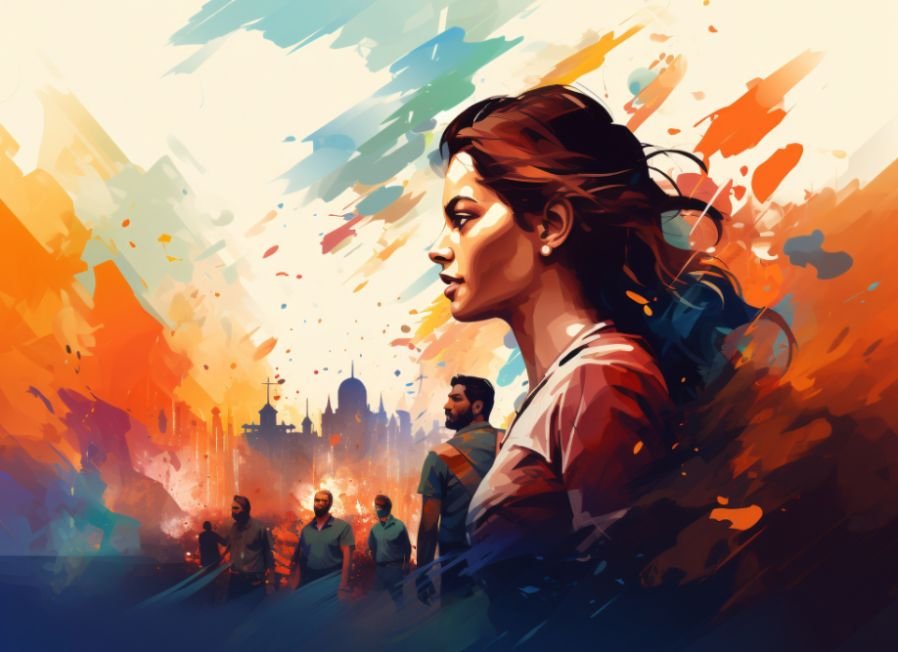
I have always believed that a mural can do what a gallery wall cannot: meet people during ordinary life and make them stop, look and question what surrounds them.
The most compelling women muralists creating powerful public art recover overlooked histories, challenge social rules and turn shared spaces into places where difficult conversations can begin.
Why Women’s Mural Work Matters
Public walls often reflect whoever holds cultural or political power. Women muralists disrupt that pattern by placing excluded experiences into everyday environments. Their work can help a neighborhood feel recognized while inviting outsiders to understand its history differently.
Powerful muralism comes from the relationship between subject, location and audience. A portrait can confront harassment, a historical scene can restore erased stories, and a collaborative wall can help communities represent themselves.
Like women illustrators shaping modern publishing, muralists use visual storytelling to influence how audiences understand identity, culture and overlooked experiences. The difference is that their canvas is part of the public environment, allowing their messages to reach people beyond galleries, books and traditional cultural institutions.
Eight Women Muralists Changing Shared Spaces
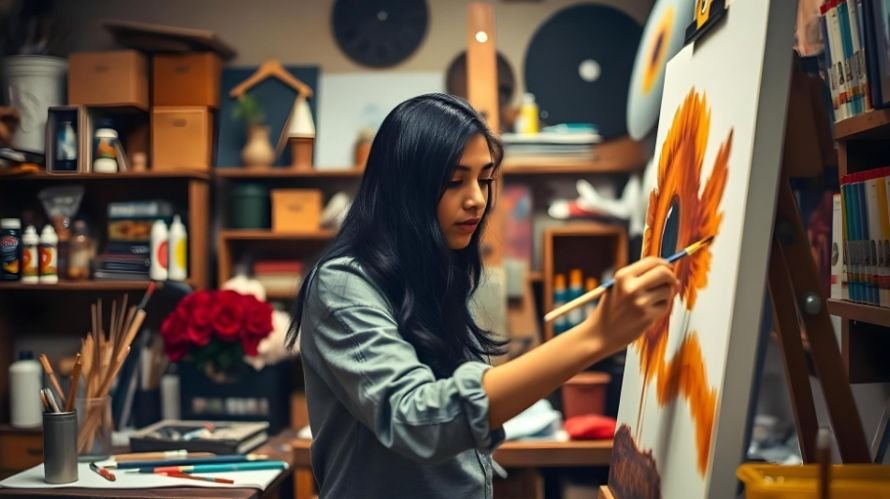
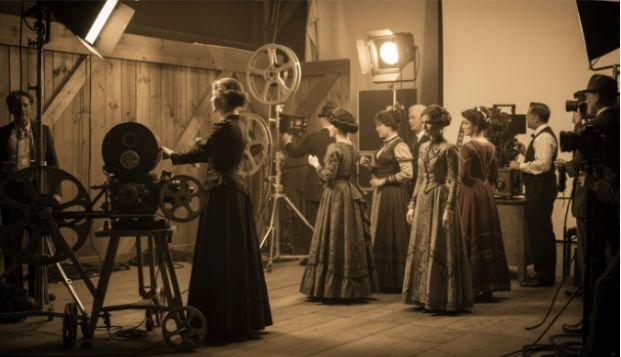
Like women film directors who changed cinema history, these muralists entered creative fields where women were often denied authority, visibility, and institutional support. Through bold visual language and persistent public engagement, they expanded who could shape cultural narratives and whose experiences deserved lasting recognition.
1. Judy Baca Turns Community History Into Memory
Judy Baca’s Great Wall of Los Angeles transforms a concrete flood-control channel into an expansive account of California history. Developed with artists, scholars, community members and hundreds of young people, it centers ethnic communities and events often minimized in conventional narratives. Its collaborative process made participants active builders of the history future generations would encounter.
2. Noni Olabisi Painted Unfiltered Black History
Noni Olabisi used murals to address racial injustice, resistance and political memory without softening her message. Freedom Won’t Wait and To Protect and Serve responded to unrest, police violence and the history of the Black Panther Party. Her expressive figures gave public visibility to stories residents rarely saw honored at monumental scale.
3. Tatyana Fazlalizadeh Confronts Street Harassment
Tatyana Fazlalizadeh’s Stop Telling Women to Smile began with interviews about gender-based street harassment. She transformed those experiences into portraits and direct statements installed in public locations. The placement matters: messages about women’s right to move freely appear in the same streets where harassment happens, turning testimony into a collective demand.
4. Lady Pink Claimed Space in Graffiti Culture
Lady Pink entered New York’s graffiti movement when few women were accepted in its crews, tunnels and train yards. Her vivid figures and fearless lettering established her as a leading street-art voice. Her murals, workshops and mentorship show younger artists that public walls are not reserved for one gender or tradition.
5. Swoon Builds Human Connection
Swoon, also known as Caledonia Curry, became known for intricate wheat-pasted portraits that seemed to emerge from urban architecture. Her practice later expanded into collaborative projects addressing social crises. The Road Home connected public art with people affected by the opioid epidemic, showing how beauty can attract attention while participation creates deeper value.
6. Juana Alicia Connects Activism and Heritage
Juana Alicia creates murals shaped by Chicana identity, labor history, feminism, environmental justice and cultural survival. Her commissions often emerge through collaboration. Rather than treating a mural as an object delivered to a community, her practice presents it as research, teaching, conversation and collective remembrance.
7. Shamsia Hassani Centers Afghan Women
Shamsia Hassani is widely recognized as Afghanistan’s first woman graffiti artist. Her recurring female figures use flowing forms and musical imagery to express resilience within settings marked by conflict and restriction. By placing women at the center of public imagery, she challenges their disappearance from civic space and imagines emotional freedom under pressure.
8. Aravani Art Project Reclaims Space Collectively
Aravani Art Project is led by trans and cis women who use murals to create visibility, belonging and opportunity for transgender communities. Community members are not simply subjects; they help make the images. Painting together in public challenges stigma and turns the creative process into an act of social participation.
What Makes a Public Mural Powerful?
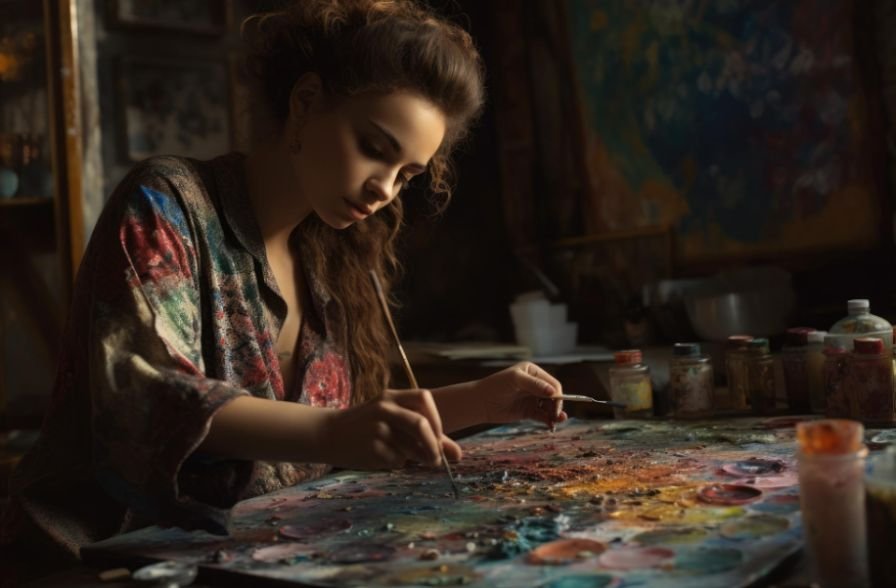
The strongest women muralists creating powerful public art connect visual impact with a clear reason for existing in a particular place. Their murals respond to neighborhood history, public behavior, conflict or cultural memory. They give local people space to recognize themselves instead of presenting communities through an outsider’s assumptions.
Scale, color, portraiture and placement hold attention. Lasting influence comes afterward: conversations begin, erased people become visible and overlooked spaces acquire new meaning.
Challenges Behind the Finished Wall
Women in public art may face unequal access to commissions, harassment outdoors and pressure to create decoration instead of confrontation. Real support requires fair payment, safe conditions and creative control.
Recognition also needs to continue after a mural is completed. Walls may be demolished, painted over, damaged by weather or separated from the communities that gave them meaning. Documentation, restoration funding and artist attribution help protect both the artwork and the history it carries.
Frequently Asked Questions
1. Who are some influential women muralists?
Judy Baca, Lady Pink, Juana Alicia, Noni Olabisi, Tatyana Fazlalizadeh, Swoon and Shamsia Hassani have expanded how muralism can address identity, history and public life.
2. What defines women muralists creating powerful public art?
Their work combines strong visual language with social meaning, a clear relationship to place and an ability to represent communities with depth.
3. How can murals change a community?
Murals can preserve memory, challenge stereotypes, support cultural pride, encourage dialogue and transform neglected surfaces into expressions of belonging.
4. Why is community participation important?
Participation lets residents influence representation while building trust, skills and ownership of the finished work.
The Walls Keep Speaking
I see these murals as more than striking backgrounds or destinations for photographs. They are public records created at human scale. Each wall asks who deserves visibility, whose memories should survive and what a shared space can communicate.
These artists prove that muralism can be beautiful without becoming passive. Their work remembers, protests, heals and provokes. As more women gain funding, safety and authority to shape public space, our streets can become richer archives of the people who live within them.