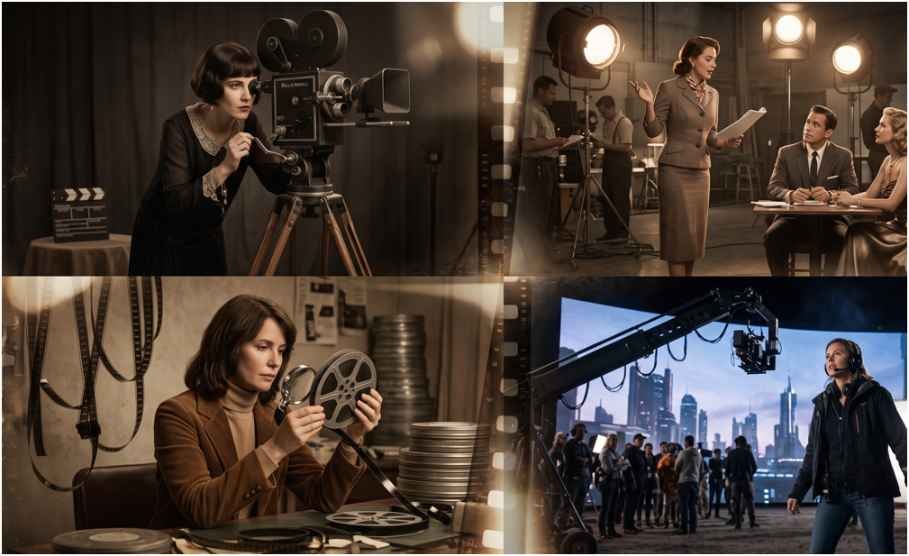
Whenever I revisit cinema history, I notice how often the story starts with famous male auteurs. That framing overlooks the women film directors who changed cinema history through invention, independence, formal risk, and commercial force.
These filmmakers did more than earn overdue recognition. They changed editing, sound, narrative pacing, production models, screen representation, and the size of audience a woman-led film could reach.
A Better Way to Measure Directorial Influence
I use a simple “Three-Lever Test” when assessing the women film directors who changed cinema history.
The first lever is form: did the filmmaker alter cinema’s visual or narrative grammar? The second is access: did she create opportunities, institutions, or representation where little existed? The third is scale: did she break a commercial or awards barrier that changed what studios considered possible?
This framework matters because box-office totals alone cannot measure influence. The women film directors who changed cinema history often worked at opposite scales. A minimalist drama and a billion-dollar studio comedy can transform the medium in different ways.
Silent-Era and Golden-Age Film Pioneers
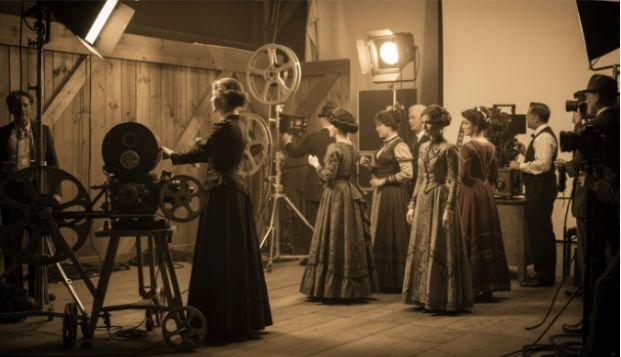
The earliest women film directors who changed cinema history worked before the industry had fixed its rules. Their careers prove that women were not late arrivals to directing. They helped build the medium itself.
1. Alice Guy-Blaché
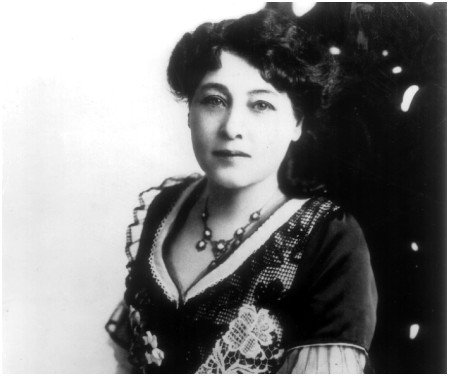
Alice Guy-Blaché is widely recognized as cinema’s first woman director. Her work included early narrative fiction, color tinting, synchronized-sound experiments, and visual effects.
She later established Solax in the United States. Her career showed that a woman could direct, produce, manage crews, and lead an entire studio operation.
2. Lois Weber
Lois Weber used filmmaking to confront poverty, birth control, economic inequality, and women’s political rights.
Her co-directed thriller Suspense employed divided frames and simultaneous action to build tension. Weber joined technical confidence with social argument when few directors treated film as a serious platform for reform.
3. Fatma Begum
Fatma Begum became India’s first known woman director and producer. She founded Fatma Films and directed the fantasy Bulbul-e-Paristan in 1926.
Her importance extends beyond being a historical “first.” She created production power within an industry shaped by restrictive gender expectations.
4. Dorothy Arzner
Dorothy Arzner sustained a studio-directing career when Hollywood offered women almost no route into the job.
Films such as Dance, Girl, Dance centered female ambition and challenged the controlling gaze of audiences. Arzner treated women’s work, relationships, and personal choices as serious dramatic subjects.
5. Ida Lupino
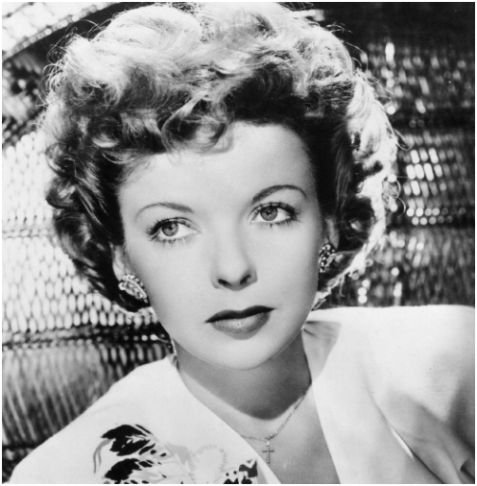
Ida Lupino formed an independent production company and made low-budget films about ordinary people facing difficult social pressures.
Outrage addressed sexual violence, while Never Fear confronted polio. The Hitch-Hiker also demonstrated her command of gritty film noir, a genre rarely entrusted to women.
Women Directors Who Rewrote Film Language
These women film directors who changed cinema history did not simply participate in established movements. They altered how time, memory, bodies, place, and identity could function on screen.
6. Agnès Varda
Agnès Varda’s La Pointe Courte combined documentary observation, location filming, professional performers, and local residents.
Made before the French New Wave’s celebrated breakthroughs, it anticipated the movement’s independence and formal freedom. Varda made curiosity, observation, and ordinary life central directing tools.
7. Chantal Akerman

Chantal Akerman turned repetition, domestic labor, silence, and duration into sources of suspense.
Jeanne Dielman asks viewers to study routine instead of waiting for conventional plot machinery. In 2022, it topped Sight and Sound’s critics’ poll, becoming the first film by a woman to reach number one.
8. Věra Chytilová
Věra Chytilová made Daisies a burst of fragmented editing, sudden color shifts, physical comedy, and anti-authoritarian mischief.
Its controlled chaos attacked social obedience while expanding the possibilities of feminist surrealism. The film remains playful, confrontational, and difficult to imitate.
9. Julie Dash
Julie Dash’s Daughters of the Dust rejected simple linear storytelling. It used ancestral voices, memory, music, color, and Gullah culture to construct a distinctive cinematic language.
It became the first feature directed by an African American woman to receive a wide theatrical release in the United States.
Record Breakers Who Expanded the Director’s Chair
The modern women film directors who changed cinema history converted artistic authority into visible industry precedent. Their achievements weakened excuses used to deny women ambitious projects.
10. Lina Wertmüller
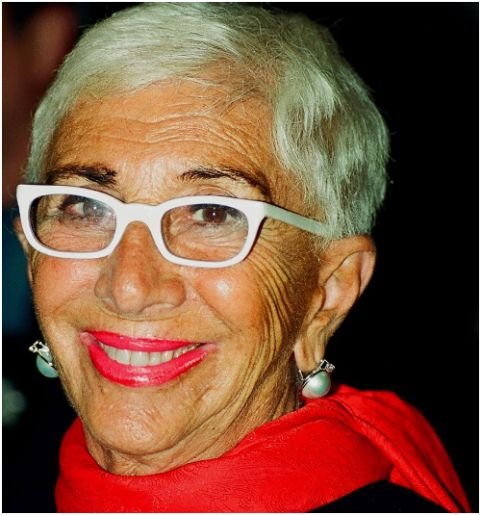
Lina Wertmüller became the first woman nominated for the Academy Award for Directing. She received the nomination for Seven Beauties.
Her politically abrasive satire demonstrated that women could command provocative, internationally acclaimed auteur cinema without softening their perspectives.
11. Penny Marshall
With Big, Penny Marshall became the first woman to direct a movie that earned more than $100 million at the box office.
Her achievement changed the scale conversation. A woman’s direction could no longer be dismissed as incompatible with mainstream commercial success.
12. Jane Campion
Jane Campion became the first woman to win the Palme d’Or for The Piano. She also received an Oscar directing nomination for that film.
Decades later, she won the Academy Award for Directing for The Power of the Dog. Her career connects intimate authorship with enduring institutional recognition.
13. Kathryn Bigelow
Kathryn Bigelow challenged the assumption that action, war, danger, and physical intensity belonged to male directors.
The Hurt Locker made her the first woman to win the Academy Award for Directing. The milestone struck directly at one of Hollywood’s most protected prestige categories.
14. Greta Gerwig
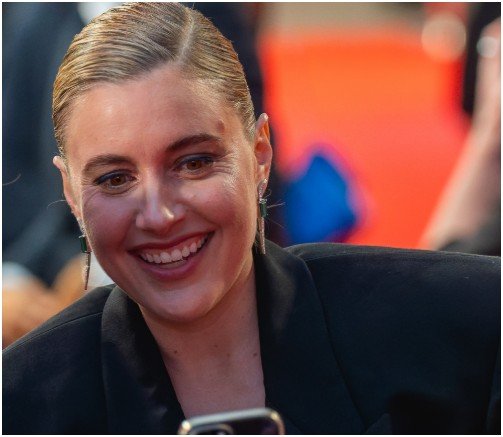
Greta Gerwig moved from character-driven independent cinema to global studio filmmaking without abandoning her interest in female identity.
Barbie earned more than $1.4 billion worldwide. Gerwig became the first woman with sole directing credit to cross the billion-dollar threshold and set the global record for a female-directed film.
A Watchlist That Reveals Their Influence
A useful way to study the women film directors who changed cinema history is to pair their films by the lever they pulled rather than watching them strictly by release date.
Watch Suspense beside Daisies to compare visual experimentation across eras. Pair Dance, Girl, Dance with Barbie to examine how filmmakers expose the audience’s gaze.
Follow Daughters of the Dust with Jeanne Dielman to see how ancestral memory and repetitive time can replace a conventional plot. Compare The Hitch-Hiker with The Hurt Locker to study tension, danger, and physical space.
This approach turns film history into a conversation rather than a timeline.
Frequently Asked Questions
1. Who was the first female film director?
Alice Guy-Blaché is widely recognized as the first woman director and one of narrative cinema’s earliest innovators.
2. Which female director first won the Best Director Oscar?
Kathryn Bigelow became the first woman to win the award for The Hurt Locker in 2010.
3. Which women directors should film students watch first?
Start with Varda, Akerman, Dash, Lupino, and Chytilová to study form, representation, independence, and visual style.
4. Why are women film directors who changed cinema history important?
They expanded film language, challenged exclusion, built production pathways, and proved women’s stories could achieve critical and commercial power.
Roll Credits? Not Even Close
When I study the women film directors who changed cinema history, the clearest lesson is not that exceptional women occasionally defeated the system. Women helped invent cinema, repeatedly reshaped it, and expanded its possibilities despite that system.
Their impact appears in editing techniques, independent production, feminist storytelling, awards recognition, and billion-dollar releases.
Pick one unfamiliar director from this list and watch her defining film next. The cinematic canon becomes far more exciting when we stop treating these filmmakers as side notes.
Disclaimer: All images used in this blog are for editorial and informational purposes only. The visuals are either AI-generated or sourced from Wikipedia. They do not represent actual events or endorse any specific brands or individuals. All trademarks, logos, and copyrighted materials belong to their respective owners.