I have always believed that photography becomes most powerful when it changes more than the appearance of an image. The female photographers who transformed visual culture changed how people understood poverty, war, race, gender, celebrity, family life, and personal identity.
Their photographs did not simply document American society. They challenged its assumptions, redirected public attention, and expanded the stories considered worthy of preservation.
How Women Changed the Language of Photography
Women contributed to photography from its earliest years, although museums, publishers, and historical accounts often gave greater attention to men. Their work helped establish photography as a scientific record, an artistic medium, a journalistic tool, and a powerful form of cultural criticism.
Their careers also demonstrate how creative skills can develop beyond conventional institutions. Today, photography, visual design, and digital storytelling appear among practical home business ideas for stay-at-home moms, allowing women to build flexible creative careers while controlling their schedules and artistic direction.
Anna Atkins
Anna Atkins created detailed cyanotype images of algae during the nineteenth century. Her book, Photographs of British Algae, is widely recognized as the first book illustrated with photographic images.
Atkins demonstrated that photography could preserve scientific information while producing visually compelling compositions. Her blue botanical prints influenced later relationships between photography, design, documentation, and natural history.
Julia Margaret Cameron
Julia Margaret Cameron rejected the expectation that portraits had to be technically perfect. She used close framing, dramatic lighting, and intentionally soft focus to emphasize emotion.
Her portraits helped establish photography as an expressive art form rather than a mechanical method of recording appearances. Her influence can still be seen in editorial portraits that favor atmosphere and personality over clinical sharpness.
Photographers Who Reframed American Reality
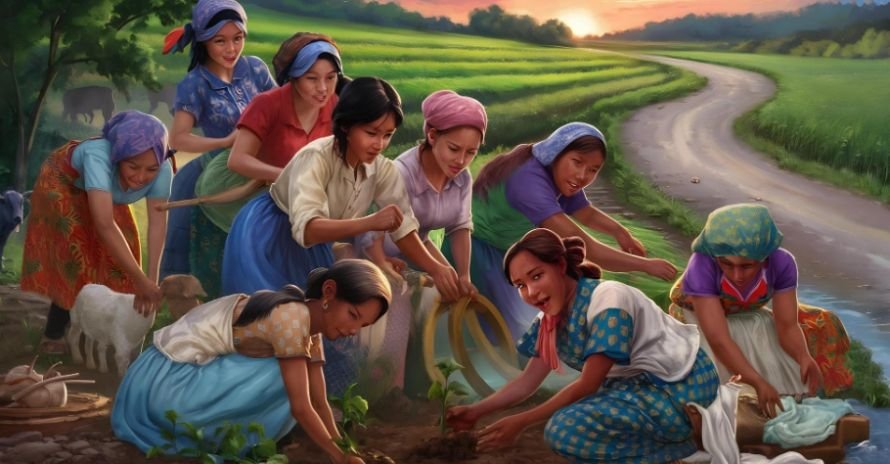
Several women used documentary photography to reveal experiences that newspapers, political leaders, and institutions frequently overlooked.
Dorothea Lange
Dorothea Lange became one of the defining photographers of the Great Depression. Her images of displaced families, agricultural workers, and impoverished communities gave economic hardship a human face.
Her famous Migrant Mother photographs shaped how generations imagined the Depression. Lange later documented the forced incarceration of Japanese Americans, creating an important visual record of a painful period in American history.
Margaret Bourke-White
Margaret Bourke-White photographed factories, political leaders, war zones, and major historical events. Her image of Fort Peck Dam appeared on the first cover of Life magazine in 1936.
She also documented the liberation of the Buchenwald concentration camp. Her career demonstrated that women could work in dangerous environments and produce images with international historical significance.
Lee Miller
Lee Miller moved between fashion, Surrealism, portraiture, and wartime photojournalism. During the Second World War, she documented destroyed cities, military operations, and liberated concentration camps.
Her work challenged the belief that women photographers belonged only in studios or fashion publications. Miller proved that artistic experimentation and serious reporting could exist within the same career.
Helen Levitt
Helen Levitt photographed everyday life on the streets of New York. Children playing, neighbors talking, and residents gathering on sidewalks became central subjects in her work.
Rather than treating ordinary urban life as insignificant, Levitt revealed its humor, tension, movement, and humanity. Her photographs helped elevate street photography into an important record of American community life.
Artists Who Challenged Identity and Representation
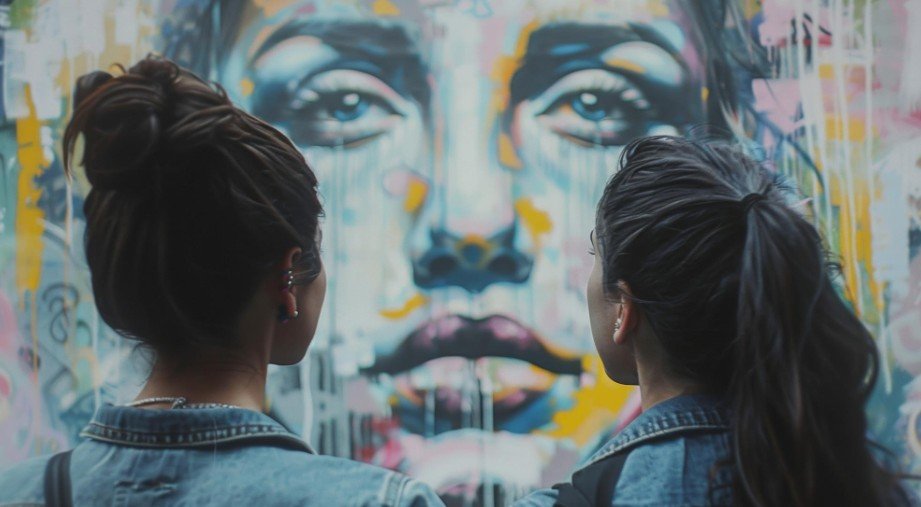
Other photographers transformed visual culture by questioning how women, Black Americans, queer communities, and people outside social norms were represented.
Diane Arbus
Diane Arbus photographed people often ignored or sensationalized by mainstream media. Her portraits included performers, couples, children, socialites, and people living outside conventional expectations.
Her work created continuing debates about empathy, consent, difference, and the photographer’s power. That complexity made viewers examine not only the subject but also their own assumptions.
Cindy Sherman
Cindy Sherman used herself as the model for fictional female characters inspired by Hollywood, advertising, television, and popular culture.
Her Untitled Film Stills series exposed how media repeatedly constructs recognizable types of women. Sherman demonstrated that femininity in visual media is often performed, staged, and shaped by familiar cultural scripts.
Nan Goldin
Nan Goldin photographed friendships, relationships, sexuality, addiction, violence, and queer communities with unusual intimacy.
Her images rejected the emotional distance traditionally associated with documentary photography. She treated personal experience and chosen families as subjects worthy of cultural and historical attention.
Carrie Mae Weems
Carrie Mae Weems explores race, family, gender, history, and institutional power through photography, text, installation, and performance.
Her Kitchen Table Series centers a Black woman within an ordinary domestic setting. By controlling the setting and narrative, Weems challenged stereotypes and made everyday Black womanhood central rather than peripheral.
Lorna Simpson
Lorna Simpson combines portraits with carefully selected words and phrases. Instead of explaining her subjects, the text often complicates how viewers interpret them.
Her work challenges assumptions about Black identity, gender, memory, and visibility. Simpson encourages audiences to question how photographs can reinforce stereotypes even when they appear neutral.
Global Perspectives That Expanded American Art
The influence of women photographers in American museums and galleries has also been shaped by artists working across borders.
Graciela Iturbide
Graciela Iturbide photographs Mexican communities, cultural rituals, landscapes, and women’s lives. Her images avoid presenting culture as simple or predictable.
By combining documentary observation with poetic symbolism, she broadened how international audiences viewed Mexican identity and tradition.
Dayanita Singh
Dayanita Singh transformed photographs into books, portable exhibitions, and movable architectural displays. Her work challenges the idea that photography must be presented as a single framed image.
She has influenced conversations about archives, sequencing, memory, and who controls how photographs are organized.
Shirin Neshat
Shirin Neshat uses photography, film, performance, and Persian calligraphy to explore gender, exile, religion, and political authority.
Working from New York, she created images that challenged simplified Western portrayals of Iranian women. Her work demonstrated how photography could address cultural conflict without reducing identity to a single explanation.
LaToya Ruby Frazier
LaToya Ruby Frazier connects family history with environmental inequality, industrial decline, public health, and community resilience.
Her work is especially important because she collaborates with the people she photographs. Instead of treating communities as passive evidence, she allows residents to participate in shaping their own visual history.
Why Their Influence Still Matters
These photographers changed journalism, advertising, museum collecting, fashion, portraiture, documentary ethics, and social activism. They showed that every image involves decisions about framing, authority, dignity, and visibility.
Their work shares a wider cultural purpose with women sculptors redefining contemporary art today, who also challenge traditional materials, institutional boundaries, and assumptions about whose experiences deserve space. Across photography and sculpture, women artists have transformed personal memory, identity, displacement, and social conflict into powerful visual forms.
Their influence appears whenever a photographer challenges a stereotype, documents an overlooked neighborhood, questions a familiar media image, or gives people greater control over how their lives are represented.
Frequently Asked Questions
1. Who are the female photographers who transformed visual culture?
They include Anna Atkins, Julia Margaret Cameron, Dorothea Lange, Margaret Bourke-White, Lee Miller, Helen Levitt, Diane Arbus, Cindy Sherman, Nan Goldin, Carrie Mae Weems, Lorna Simpson, Graciela Iturbide, Dayanita Singh, Shirin Neshat, and LaToya Ruby Frazier.
2. How did women photographers change photojournalism?
They documented poverty, war, migration, labor, family life, and marginalized communities while introducing more personal and socially aware approaches to reporting.
3. Why is Cindy Sherman important?
Sherman revealed how movies, advertisements, and popular media manufacture female identities. Her staged photographs continue to influence discussions about representation and self-presentation.
4. Which photographer documented the Great Depression?
Dorothea Lange created some of the most recognizable photographs of the Great Depression, including the Migrant Mother series.
A Lasting Change in How We See
When I consider these photographers together, I see more than a collection of successful careers. I see women who changed the subjects photography could address and the people it could place at the center of history.
Their images continue to shape how Americans remember economic hardship, understand identity, examine media stereotypes, and recognize communities overlooked by traditional institutions. They remind me that photography is never completely neutral. Whoever controls the camera can influence what society notices, preserves, questions, and ultimately remembers.