I once thought quilting, weaving, pottery and embroidery belonged far from contemporary galleries. Looking closer changed that view. I found women transforming traditional crafts into modern art by turning inherited techniques into portraits, political statements, sculptures and installations. Their work protects cultural memory while challenging who gets called an artist and whose labor is valued.
Why Traditional Craft Is Becoming Contemporary Art
Many handmade practices were historically classified as domestic work or functional design rather than fine art. That separation often pushed women and artisans outside the established art canon.
Contemporary artists challenge the hierarchy by using familiar materials at unexpected scales and placing personal, political and historical narratives inside them. A quilt can become a biography, woven thread can occupy a building, and miniature painting can move into animation. The technique may be old, but the questions are current.
The growing recognition of craft-based work has also been supported by art festivals founded by women, which create exhibition spaces, professional networks, and wider audiences for artists challenging traditional cultural hierarchies.
Eight Women Reimagining Heritage Through Art

Faith Ringgold Turned Quilts Into Narratives
Faith Ringgold combined painting, fabric and writing in the story quilts she began making in the 1980s. Tar Beach uses quilting to explore Black life, freedom, family and ambition. By surrounding painted scenes with text, Ringgold made cloth function like a book, mural and family archive while challenging the belief that quilts belonged only in homes.
Bisa Butler Makes Fabric Portraits Monumental
Trained as a painter, Bisa Butler creates vivid portraits from layered cotton, wool and patterned textiles, often using historical photographs as starting points. She gives her subjects brilliant color, expressive clothing and commanding presence. Her work retains the intimacy of sewing while achieving the impact of large-scale portrait painting.
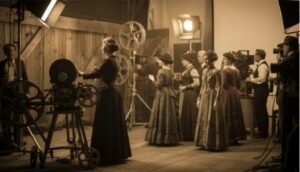
Her use of historical photographs also connects her work with female photographers who transformed visual culture, showing how images can preserve identity, reclaim overlooked stories and inspire new artistic interpretations.
Sonya Clark Stitches History Into Materials
Sonya Clark uses textiles, thread, combs and human hair to examine race, memory and national identity. Her practice recognizes Black hair traditions as knowledge and artistry. In Monumental, she enlarged the cloth used to signal the Confederate surrender into a massive woven installation carrying difficult questions about history, abolition and freedom.
Tanya Aguiñiga Connects Craft and Borders
Raised between Tijuana and San Diego, Tanya Aguiñiga combines felting, furniture, performance and community projects. She uses craft to explore migration and border life. Felted wool softens hard structures, while recycled materials become installations shaped by displacement and survival. Craft becomes a language for identity, participation and collective care.
Sheila Hicks Lets Fiber Occupy Architecture
Sheila Hicks learned from textile traditions in Mexico before developing an experimental fiber language. Her installations pile, twist, bind and suspend thread until soft material behaves like sculpture. Some works change whenever they are installed. Hicks proves that weaving can become architectural, environmental and physically overwhelming.
Shahzia Sikander Expands Miniature Painting
Shahzia Sikander trained in Indo-Persian manuscript painting, then extended its language into animation, mosaic, sculpture and installation. She rearranges historical imagery to examine gender, colonial power, migration and cultural translation. By enlarging, layering and animating miniature forms, she makes a disciplined traditional practice radically contemporary.
Magdalene Odundo Gives Vessels Human Presence
Magdalene Odundo uses the ancient coiling method to build clay vessels by hand. Their rounded bodies, narrow necks and finished surfaces suggest posture, breath and movement. Her practice brings historical African pottery knowledge into conversation with wider ceramic traditions, creating objects that sit between vessel, sculpture and portrait.
Mrinalini Mukherjee Turned Fiber Into Sculpture
Mrinalini Mukherjee used hand-knotted hemp to create towering forms resembling plants, bodies and mythic beings. Because fiber was frequently categorized as craft, her work risked being separated from sculpture. Its scale and physical presence made that distinction difficult to defend, showing that rope could create forms as ambitious as bronze or stone.
Innovation Without Cultural Erasure
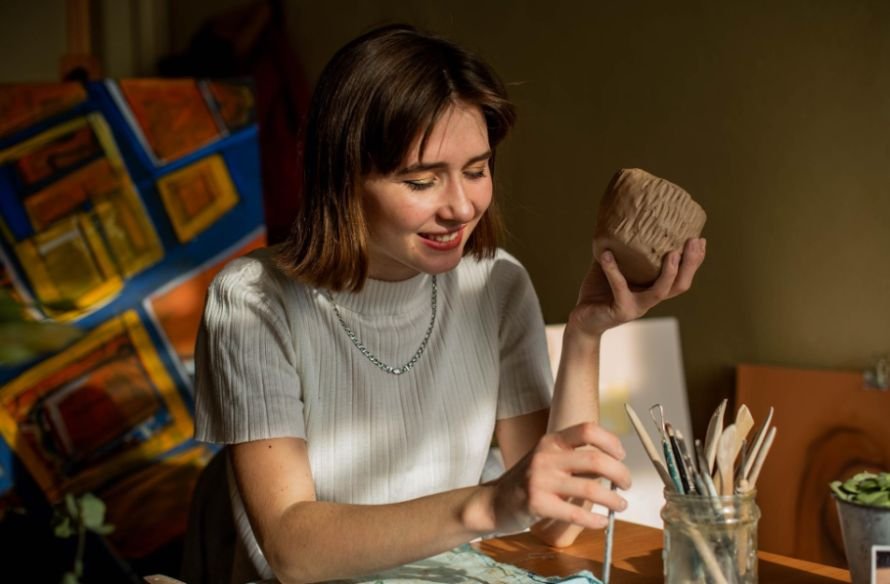
Modernizing a technique is not the same as borrowing its appearance. Responsible practice requires knowledge of where a craft comes from, who sustained it and what meanings it carries. Artists should credit collaborators, respect ceremonial boundaries and avoid presenting shared knowledge as an individual invention.
The strongest work creates a conversation between continuity and change. It protects skill while allowing new subjects, materials and formats to emerge. That balance keeps craft alive rather than turning it into nostalgia.
Frequently Asked Questions
1. How are women transforming traditional crafts into modern art?
They change scale, materials, context and purpose. Techniques once used for clothing, household objects or manuscripts now appear in portraiture, sculpture, installation, animation and politically engaged art.
2. Which traditional crafts appear in contemporary art?
Quilting, weaving, embroidery, beadwork, ceramics, basketry, felting and miniature painting are common. Artists also combine them with photography, sound, video and digital technology.
3. What Separates Craft From Fine Art?
Craft traditionally emphasizes skilled making, material knowledge and function, while fine art is associated with individual expression. Contemporary artists show how strongly these categories overlap and how the old division often reflects cultural and gender bias.
4. Why Does Cultural Context Matter?
A technique carries stories about place, community, labor and belief. Understanding that context deepens appreciation and prevents traditions from being stripped of meaning.
What These Artists Leave With Us
I see these artists as more than guardians of inherited techniques. They use thread, cloth, clay, rope and pigment to reopen history and reshape the present. Their work reminds me that modern art does not always begin with a new material. Sometimes it begins when an old skill receives the scale, attention and creative freedom it has always deserved.