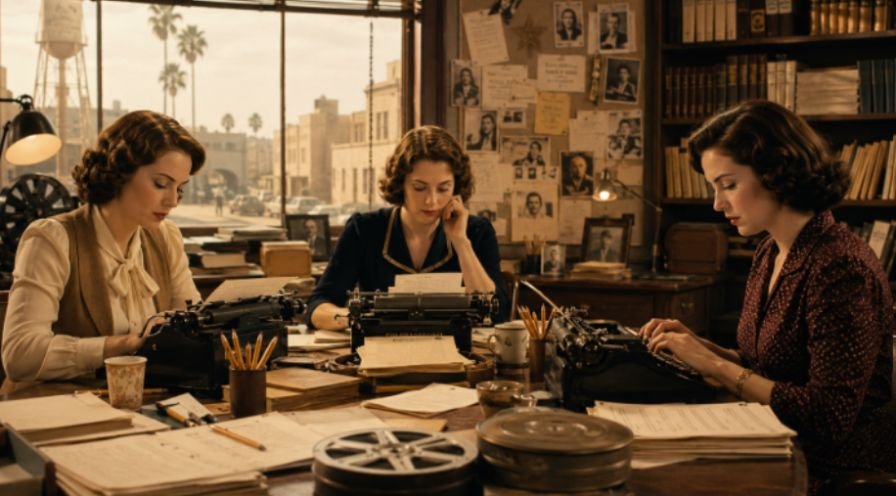
Classic Hollywood did not speak with a male voice alone. Its sharpest jokes, darkest motives, strongest heroines, and most durable structures often came from women screenwriters behind classic Hollywood films.
I understand the era better when I stop treating these writers as exceptions. They worked across silent pictures, dramas, noir, musicals, Westerns, and thrillers. Their names sat below directors and stars, yet their choices often held the films together.
Why Women Held Real Writing Power in Early Hollywood
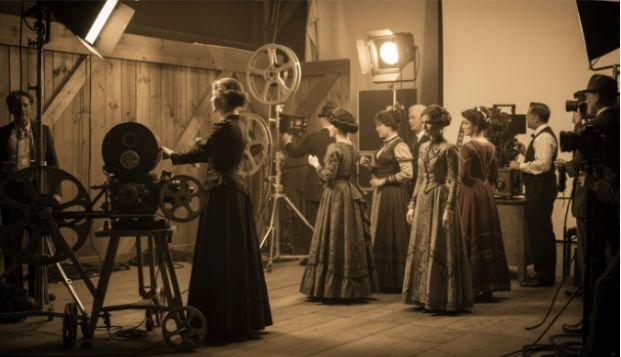
Silent cinema created unusual openings because industry roles were not fixed. Scenario writers shaped action, intertitles, motives, and emotional rhythm. Library of Congress resources document extensive women’s screenwriting work from 1912 through 1929.
The women screenwriters behind classic Hollywood films learned visual storytelling before screenplay format became standardized. Several moved into producing, editing, casting influence, and executive decisions. Their authority makes later male dominance look less inevitable.
Silent-Era Screenwriters Who Built Hollywood’s Language
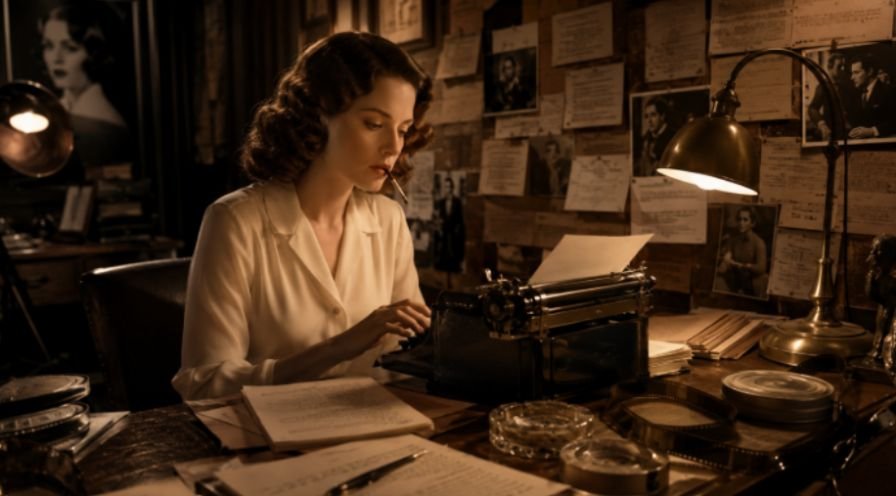
Frances Marion: Emotion With Structural Muscle
Frances Marion combined emotional force with commercial discipline. She wrote for Mary Pickford and became the first woman to win an Academy Award for writing with The Big House. She later won again for The Champ. Official Academy records confirm her two writing victories.
Her process also deserves attention. MGM arranged for Marion to visit San Quentin while preparing The Big House. She recorded prison language and behavior, giving the drama researched credibility rather than recycled stereotypes.
Among women screenwriters behind classic Hollywood films, Marion proves that emotional writing can still possess structural muscle. Her characters create sympathy because the conflicts around them are carefully engineered.
Anita Loos: Wit That Survived the Sound Revolution
Anita Loos moved from silent storytelling into dialogue-led filmmaking without losing her bite. She understood how women used humor, beauty, money, and social performance as tools.
The American Film Institute credits Loos and Jane Murfin with the screenplay for The Women in 1939. The film has no onscreen male characters, although marriage and male approval drive much of its conflict. Loos also created Gentlemen Prefer Blondes, a satire that survived page, stage, and screen.
Her characters do more than deliver clever lines. They use language to expose rules designed to contain them. Loos transformed wit into a survival strategy.
June Mathis: Writing, Casting, and Authority
June Mathis adapted The Four Horsemen of the Apocalypse and wrote Blood and Sand for the screen. The first film became an enormous production and helped turn Rudolph Valentino into a major star.
Mathis connected adaptation, performance judgment, and production authority. Her career challenges the idea that women supplied words while men made every meaningful studio decision.
Women Who Rewrote Hollywood Genres
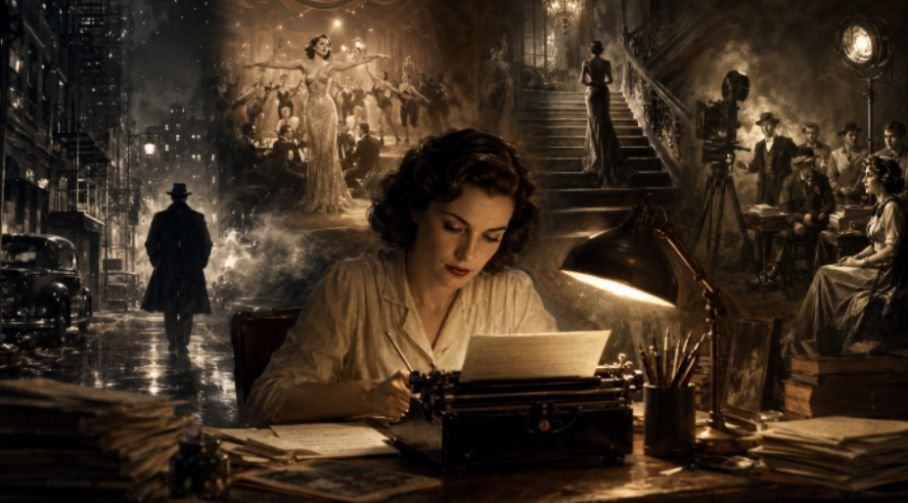
Leigh Brackett and the Hard-Boiled American Hero
Leigh Brackett co-wrote The Big Sleep with William Faulkner and Jules Furthman, then helped write Rio Bravo. Those credits place her inside two heavily male-coded genres: noir and the Western.
Her heroes carry toughness, but they also depend on humor, loyalty, fear, and group trust. Rio Bravo treats courage as a shared, imperfect practice rather than the gift of one invulnerable gunman.
That is why women screenwriters behind classic Hollywood films should never be limited to “women’s pictures.” Brackett helped define screen masculinity from inside the genre machine.
Betty Comden and the Intelligence of the MGM Musical
Betty Comden and Adolph Green wrote the story and screenplay for Singin’ in the Rain, building a coherent narrative around existing Arthur Freed and Nacio Herb Brown songs.
The screenplay works because music never replaces character. Comedy reveals Hollywood’s chaotic transition to sound. Romance develops through professional collaboration. Lina Lamont’s voice becomes a plot engine and an industry joke.
Comden proved that a musical could adore Hollywood while exposing its vanity, panic, and manufactured glamour. That balance keeps the film lively instead of merely nostalgic.
Joan Harrison and Alma Reville Behind Hitchcock’s Suspense
Joan Harrison co-wrote Rebecca and earned an Oscar nomination with Charles Bennett for Foreign Correspondent. Rebecca went on to win Best Picture.
Alma Reville held credited writing roles on Shadow of a Doubt and Suspicion. AFI records her frequent writing collaboration with Alfred Hitchcock across several productions.
I notice their influence in the domestic tension. Suspense grows from withheld information, social performance, uneasy rooms, and women questioning what they see.
The work of these women screenwriters behind classic Hollywood films helped turn psychological discomfort into cinematic structure. Danger matters, but uncertainty makes that danger intimate.
Theater, Satire, and Psychology on the Studio Screen
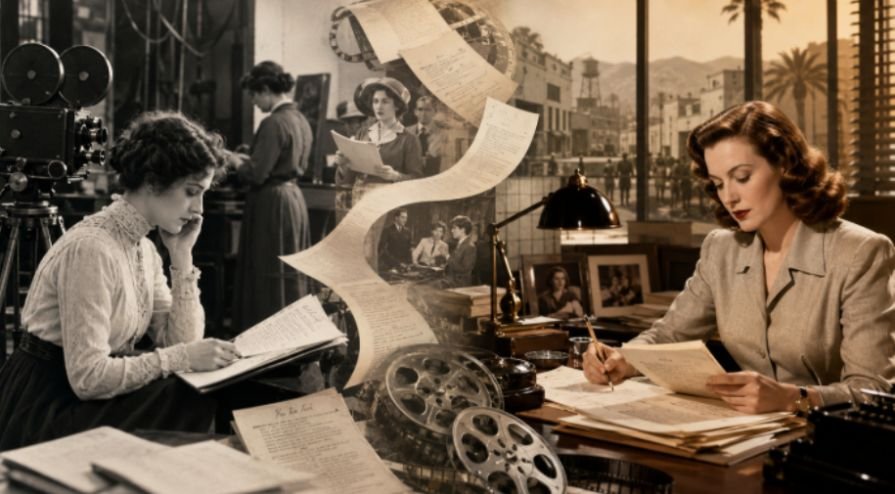
Bess Meredyth worked on major silent productions, including Ben-Hur, and appeared among the Academy’s early writer members. Dorothy Parker co-wrote the 1937 version of A Star Is Born, bringing sharp social observation to Hollywood’s favorite subject: itself.
Lillian Hellman wrote The Little Foxes for the screen from her stage work. Its family conflict turns money into moral poison. Jay Presson Allen later wrote Marnie and contributed to Cabaret, adapting difficult psychological material with unusual directness.
Together, these women screenwriters behind classic Hollywood films expanded what commercial cinema could examine. They brought theatrical precision, satire, moral conflict, and interior psychology into studio storytelling.
My Credit, Craft, and Control Test
I use three questions when revisiting an old film. Credit asks who received story, screenplay, adaptation, or dialogue recognition. Craft asks which structures reveal the writer’s hand. Control asks whether the writer influenced casting, revisions, production, or institutions.
Studying women screenwriters behind classic Hollywood films through this lens creates more value than a simple name list. Marion connects authorship with research. Mathis connects writing with executive influence. Harrison moved from screenwriting into producing. Meredyth participated in Hollywood’s early professional institutions.
The test also prevents shallow praise. Women screenwriters behind classic Hollywood films matter because identifiable creative decisions shaped the finished work, not merely because their names appeared in the credits.
Why Women Screenwriters Behind Classic Hollywood Films Still Matter
These writers established techniques audiences still recognize: compressed visual storytelling, fast social comedy, psychologically loaded dialogue, genre-aware heroes, and adaptations that feel cinematic.
Their influence becomes even clearer when viewed alongside women film directors who changed cinema history, since both writers and directors challenged authorship norms while reshaping the language of film.
Their careers also reveal how history becomes distorted. Directors become sole authors, stars become symbols, and writers disappear. Reading the credits restores collaboration and creative responsibility.
For another underestimated filmmaking craft, explore women film editors who shaped modern cinema. Writing determines what a story intends. Editing determines how audiences experience it.
Frequently Asked Questions
1. Who were the most influential women screenwriters in old Hollywood?
Frances Marion, Anita Loos, June Mathis, Leigh Brackett, Betty Comden, Joan Harrison, Alma Reville, Dorothy Parker, and Lillian Hellman were among the most influential.
2. Did women write major Golden Age Hollywood movies?
Yes. Women wrote or co-wrote acclaimed dramas, comedies, musicals, noirs, Westerns, and thrillers throughout the studio era.
3. Who was the first woman to win a screenwriting Oscar?
Frances Marion became the first woman to win an Academy Award for writing with The Big House.
4. Why are women screenwriters behind classic Hollywood films overlooked?
Director-centered histories, limited credit discussions, and women’s declining studio power have often reduced their visibility.
The Credits Have Entered the Chat
The next time a classic film feels unusually sharp, strange, funny, or emotionally precise, check the writing credits before praising the director alone. Women screenwriters behind classic Hollywood films did not decorate cinema history. They drafted its foundations, sharpened its genres, and gave stars the words we still remember.